
Mount Kailash Tour for Hindus
Mount Kailash Tour for Hindus: A Sacred Pilgrimage to the Abode of Lord Shiva.
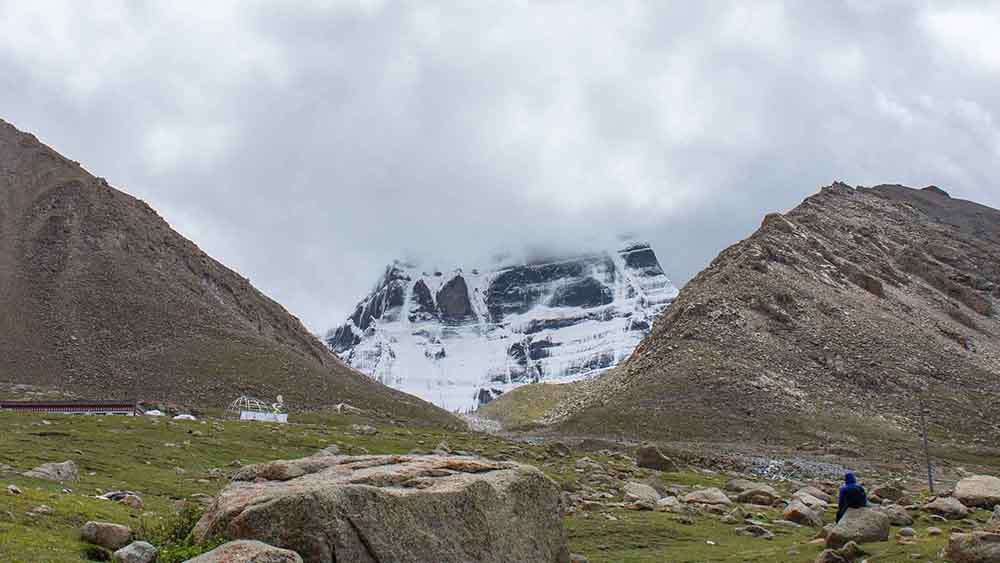
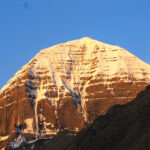
The Mount Kailash Tour for Hindus is regarded as one of the most profound spiritual pilgrimages a Hindu devotee can undertake. Revered as the eternal abode of Lord Shiva, Mount Kailash (6,638 m) stands majestically in the remote western region of Tibet. It is not just a geographical wonder but a spiritual axis of the universe, deeply embedded in Hindu scriptures, mythology, and devotion.
Undertaking the Kailash Mansarovar Yatra for Hindus is a journey of faith, penance, and ultimate transformation, often regarded as a once-in-a-lifetime opportunity to attain divine blessings, liberation from sins, and spiritual enlightenment.
Why Mount Kailash is Sacred in Hinduism
In Hindu mythology, Mount Kailash is believed to be the divine residence of Lord Shiva and Goddess Parvati. It is described in ancient texts such as the Shiva Purana, Ramayana, and Mahabharata as the spiritual center of the world. According to belief, Lord Shiva performs his cosmic dance (Tandava) on this holy mountain.
At the base of Mount Kailash lies Lake Mansarovar, created in the mind of Lord Brahma and regarded as the purest water body on earth. Bathing in its sacred waters and performing rituals here are believed to cleanse past sins and grant moksha (liberation).
For Hindu pilgrims, the Mount Kailash Tour is not merely a trek or a sightseeing trip—it is a sacred path of spiritual rebirth, devotion, and self-realization.
Who Can Join the Kailash Yatra for Hindus?
The Kailash Mansarovar Yatra for Hindus is open to all physically fit Hindu devotees from India and around the world. Pilgrims can participate through organized tours provided by private travel companies or the Indian government via MEA (Ministry of External Affairs).
Participants must be healthy, emotionally stable, and prepared for high-altitude conditions. Both solo pilgrims and groups (family, friends, or religious associations) regularly join this holy yatra to seek Shiva’s blessings.
How to Reach Mount Kailash from India
There are several routes available for Hindu pilgrims, with options based on budget, convenience, and physical fitness levels:
-
Overland Route via Nepal (Kerung Border)
This is the most accessible and popular route. Pilgrims travel from Kathmandu to Kerung, then proceed to Saga, Lake Mansarovar, and Mount Kailash. -
Helicopter Route via Simikot – Hilsa
Pilgrims fly from Kathmandu to Nepalgunj, then by helicopter to Simikot and Hilsa. This shortens the travel time and is ideal for those seeking a faster yatra. -
Lhasa Route (via Tibet)
Fly into Lhasa, Tibet’s capital, and journey through Shigatse and Saga before reaching Kailash. This route allows ample acclimatization and sightseeing across Buddhist cultural sites. -
Indian Government Route via Uttarakhand
The MEA organizes yatras through Lipulekh and Nathu La. This is rigorous and available by lottery system but highly subsidized.
What Does the Mount Kailash Tour for Hindus Include?
The Kailash Yatra for Hindu pilgrims typically includes:
-
Tibet travel permits and visa processing
-
Accommodation in hotels and guesthouses
-
Transportation across Nepal and Tibet
-
Pure vegetarian Indian meals (Jain options available)
-
Guided visits to Lake Mansarovar, Yam Dwar, and Charan Sparsh
-
Sherpa support and oxygen for high-altitude zones
-
Optional puja, havan, and Rudrabhishek at Mansarovar or Dirapuk
Group tours often include spiritual discourses, bhajans, and satsangs, creating a community of shared devotion and celebration of Sanatan Dharma.
What Is the Cost of Mount Kailash Tour for Hindus?
The cost of a Mount Kailash Yatra depends on the route, travel mode, group size, and package inclusions. Typical costs are:
-
INR 185,000 to INR 275,000 per person for Overland routes via Nepal
-
INR 300,000 to INR 400,000 per person for Helicopter routes via Simikot
-
INR 150,000 to INR 180,000 per person for MEA Government Yatra (subsidized)
Prices usually cover meals, accommodation, visa, permits, local transport, guides, and spiritual support. Customized VIP packages with deluxe stays, porters, and medical support are also available.
Spiritual Significance of the Kora (Parikrama)
The most sacred aspect of the Mount Kailash tour for Hindus is the Kailash Parikrama—a 52-kilometer circumambulation (kora) of the mountain. This 3-day trek is performed clockwise, starting from Darchen, passing through Dirapuk, Dolma La Pass (5,630 m), and Zuthulpuk.
Walking this holy path is believed to erase lifetimes of sins and accumulate divine merit. Devotees chant “Om Namah Shivaya” while meditating on Lord Shiva’s presence. Some highly devoted pilgrims even perform the kora through dandavat pranam (full-body prostration) at each step.
Holy Rituals During the Yatra
-
Snan (Holy Bath) at Lake Mansarovar
Considered equivalent to bathing in 1,000 sacred rivers. Devotees also collect water for rituals at home. -
Puja and Havan at Mansarovar or Yam Dwar
Shiva Abhishekam, Rudrabhishek, and family pujas can be arranged by local priests. -
Charan Sparsh (optional hike)
A steep but meaningful walk to the base of Kailash to touch the “feet of Shiva.” -
Meditation and Chanting
Pilgrims spend time in quiet reflection, bhajans, and chanting Shiva mantras for inner peace.
Best Time to Visit Kailash for Hindus
The ideal time for the Kailash Yatra is from May to September, when the weather is most favorable for travel. The full moon day in July or August (Guru Purnima and Shravan Poornima) is especially auspicious.
Avoid monsoon season and early spring (March-April), when Tibet may be closed for international tourists.
Physical Requirements and Altitude Considerations
While the journey is spiritually elevating, it is also physically demanding. Acclimatization days are included in all itineraries, and pilgrims are advised to begin light training, walking, or yoga 2–3 months before the yatra.
High-altitude terrain, basic guesthouse stays, and long drives require preparation. Horses and porters are available for rent during the parikrama for those needing assistance.
Eligibility and Permits
To join the Mount Kailash tour for Hindus, pilgrims must:
-
Hold a valid passport (for Nepal-Tibet routes)
-
Be between 18 to 70 years of age (medical fitness may be required)
-
Apply for Chinese visa and Tibet travel permit through authorized tour operators
-
Join a group of 5+ for Chinese regulations (solo travel is not allowed)
Indian citizens can also apply via MEA for subsidized government-organized yatras.
FAQs – Mount Kailash Tour for Hindus
Q: Can senior citizens join the Kailash Yatra?
Yes, provided they are medically fit. Many yatris aged 60+ successfully complete the parikrama with support.
Q: Are Indian meals available?
Yes, all packages provide pure vegetarian food with optional Jain or sattvik meals.
Q: Is the journey safe?
Yes, with proper acclimatization, medical support, and experienced guides, the tour is safe. Oxygen cylinders and first aid are provided.
Q: Can children join the yatra?
Only those above 12 years are recommended, based on health and maturity.
Q: Do I need to trek the parikrama?
It’s optional, but spiritually significant. Horses and porters are available if you cannot walk.
Conclusion: A Journey Toward Liberation
The Mount Kailash Tour for Hindus is one of the most divine and spiritually charged experiences a devotee can undertake. It is a sacred invitation to visit Shiva’s cosmic abode, cleanse karmas, and return with blessings that transcend this lifetime. With growing accessibility, modern logistics, and spiritual travel groups, now is the perfect time to fulfill your dream of Kailash Yatra.
Recent Posts
Mount Kailash Kora Distance and Difficulty
Where Is Mount Kailash Located?
Common Visa Mistakes for Mount Kailash Trip (2026)
Kailash Yatra Visa & Permit Processing Time Applying from Kathmandu
Required Permits for Mount Kailash Trip by Route
Do You Need a Visa for Mount Kailash Trip
Visa for Mount Kailash Trip
Age Limit for Mount Kailash Yatra
Mindful Trip to Mount Kailash