
Kailash Tour for Nepali Citizen
Kailash Tour for Nepali: A Sacred Himalayan Pilgrimage for Spiritual Seekers
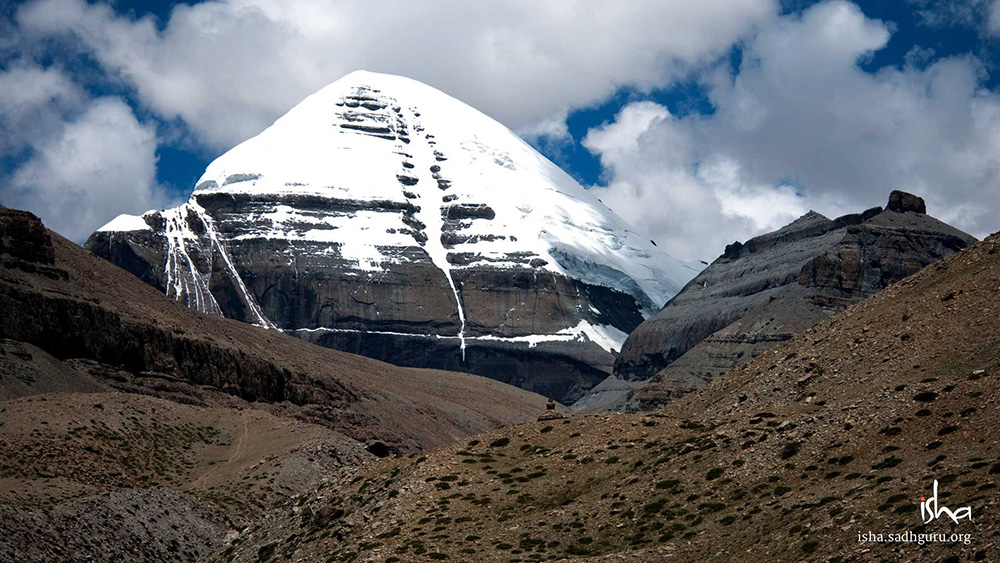
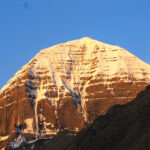
The Kailash tour for Nepali citizens is a profound spiritual experience, cherished by thousands who dream of visiting the holy land of Mount Kailash and Lake Mansarovar. Located in the remote western region of Tibet, Mount Kailash (6,638 m) is not just a peak—it is the cosmic axis of the universe for Hindus, Buddhists, Jains, and Bon followers alike.
For those with a Nepalese passport, the journey is more accessible than for other nationalities, offering smoother visa processing, lower costs, and multiple route options. If you’re a spiritual seeker, planning a Kailash Yatra for Nepali people can be one of the most transformative experiences of your life.
Why Mount Kailash is Sacred for Nepali Pilgrims
Mount Kailash holds deep spiritual significance across major Eastern religions:
-
Hinduism: Believed to be the abode of Lord Shiva and Parvati.
-
Buddhism: Revered as Mount Meru, the central axis of the universe.
-
Jainism: Associated with the first Tirthankara, Lord Rishabhdev’s liberation.
-
Bon: Considered the seat of all spiritual power.
Equally sacred is Lake Mansarovar, situated at the base of Mount Kailash. A holy dip in its pristine waters is believed to cleanse sins and bring salvation.
For Nepali people, these beliefs are deeply rooted in culture, making the Kailash trip for Nepali citizens a pilgrimage of faith, devotion, and spiritual awakening.
Routes for Kailash Mansarovar Tour from Nepal
There are two primary ways for Nepali pilgrims to reach Mount Kailash:
1. Overland Kailash Tour via Kerung (Gyirong)
-
Route: Kathmandu – Rasuwa Gadhi – Kerung – Saga – Mansarovar – Darchen – Kailash
-
Mode: Private jeep/bus tour
-
Duration: 13 to 15 days
-
Advantages: Smooth altitude gain, scenic Himalayan landscapes, easier acclimatization
2. Helicopter Kailash Tour via Simikot-Hilsa
-
Route: Kathmandu – Nepalgunj – Simikot – Hilsa – Taklakot – Kailash
-
Mode: Fixed-wing flight + Helicopter + Jeep
-
Duration: 9 to 11 days
-
Advantages: Ideal for pilgrims with time limitations, aerial views of Himalayas
Both routes are open to Nepali passport holders, though the overland route is more economical and popular.
Permit & Visa Requirements for Nepali Citizens
One of the best parts of the Kailash yatra for Nepali people is the simplified travel documentation process.
-
Passport: Mandatory with at least 6 months validity
-
Tibet Travel Permit: Arranged by licensed Nepali tour operators
-
Chinese Group Visa: Issued by the Chinese Embassy in Kathmandu
-
Travel in Groups: All foreign travelers, including Nepali, must be part of an organized tour
There’s no need for an embassy interview or complex biometric process for Nepali nationals—making this a relatively straightforward pilgrimage for Nepalese devotees.
Kailash Parikrama (Kora) – A Sacred Challenge
The Mount Kailash Kora is the spiritual highlight of the journey. This 3-day circumambulation around the sacred peak is believed to erase lifetimes of karma.
-
Day 1: Darchen to Dirapuk (approx. 13 km) – North face view of Kailash
-
Day 2: Dirapuk to Zuthulphuk via Dolma La Pass (5,630 m) – The toughest segment
-
Day 3: Zuthulphuk to Darchen (approx. 8 km) – Concluding the Parikrama
Pilgrims who cannot walk may hire a horse and porter at extra cost. Trekking this route is optional but considered a once-in-a-lifetime spiritual accomplishment.
Best Time for Kailash Yatra from Nepal
The most suitable time for Kailash Yatra for Nepali people:
-
Late April to June – Clear skies, moderate weather
-
Mid-August to October – Post-monsoon clarity, fewer tourists
Avoid July (heavy rains) and November to March (extreme cold and border closure).
Health, Fitness & Altitude Preparation
As the tour involves high-altitude travel, pilgrims must prepare both mentally and physically:
-
Start walking or light jogging at least a month prior
-
Carry Diamox or prescribed altitude medication
-
Stay hydrated and avoid alcohol/smoking
-
Acclimatize slowly—especially on overland routes
Tour operators provide oxygen support and experienced guides to monitor health at all times.
Rituals & Spiritual Experiences
-
Holy Dip in Lake Mansarovar
-
Evening Puja and Meditation by the Lake
-
Offering prayers at Dirapuk Monastery
-
Silent walk during Dolma La crossing
-
Visit to Yam Dwar – symbolic gateway to the divine
These moments make the Kailash tour for Nepali a sacred spiritual cleansing and deeply personal pilgrimage.
Why Book with a Licensed Tour Operator in Nepal?
Traveling to Mount Kailash is only possible through a registered group tour. Reputed operators ensure:
-
Proper handling of Chinese visa and permits
-
Reliable transport and comfortable accommodation
-
Emergency backup plans
-
Cultural and spiritual guidance
-
Hassle-free coordination across Nepal and Tibet
Choose an agency experienced in organizing Kailash yatra for Nepali people with positive reviews and Tibetan travel authority licenses.
Conclusion
The Kailash tour for Nepali citizens is not just a trip; it is an eternal spiritual calling. With favorable geography, simplified visa formalities, and strong cultural connections, Nepalese pilgrims have an exceptional opportunity to fulfill this holy yatra with relative ease and at a lower cost.
Whether you take the overland route or fly through the skies to Simikot, the blessings of Kailash and Mansarovar await you. Prepare your mind, body, and soul for a sacred journey that millions dream of—but only the fortunate complete.
FAQs – Kailash Yatra for Nepali People
Q1. Can I go alone to Mount Kailash with a Nepali passport?
No. Tibet travel laws require all foreign passport holders (including Nepali) to join a group tour through a licensed operator.
Q2. Is the Kailash Kora mandatory?
No, but it is highly recommended for spiritually and physically able pilgrims.
Q3. Can senior citizens do the Kailash yatra?
Yes, with proper health clearance and assistance such as horse support. Consult your doctor and inform your operator in advance.
Q4. Is insurance required for Nepali travelers?
It is not mandatory but strongly recommended, especially for helicopter routes and high-altitude areas.
Recent Posts
Mount Kailash Kora Distance and Difficulty
Where Is Mount Kailash Located?
Common Visa Mistakes for Mount Kailash Trip (2026)
Kailash Yatra Visa & Permit Processing Time Applying from Kathmandu
Required Permits for Mount Kailash Trip by Route
Do You Need a Visa for Mount Kailash Trip
Visa for Mount Kailash Trip
Age Limit for Mount Kailash Yatra
Mindful Trip to Mount Kailash