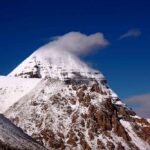


Why Mount Kailash is Considered the Most Sacred Mountain in the World
A Spiritual Guide to the Sacred Significance of Mount Kailash Across Religions
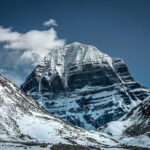
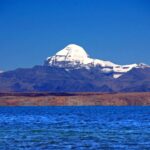
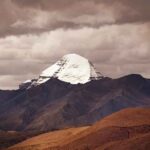
Mount Kailash is not just a mountain—it is a symbol of divine energy, mystery, and cosmic power. Located in the remote western region of Tibet, this awe-inspiring black peak stands at 6,638 meters and is recognized as the most sacred mountain in the world. What makes Mount Kailash truly unique is that it is revered by four major religions: Hinduism, Buddhism, Jainism, and the ancient Bon faith.
For centuries, pilgrims from around the globe have undertaken the Mount Kailash Yatra to seek spiritual liberation, cleanse their karma, and experience a divine connection that transcends borders and beliefs.
In this article, we explore why Mount Kailash holds such deep religious and mythological significance, and why this sacred destination deserves a place on your spiritual travel bucket list.
Mount Kailash in Hinduism: The Abode of Lord Shiva
In Hindu tradition, Mount Kailash is considered the earthly abode of Lord Shiva, the destroyer and transformer among the Holy Trinity (Brahma, Vishnu, Shiva). It is believed that Lord Shiva resides here in eternal meditation with his consort Parvati, making Kailash the ultimate center of spiritual power.
Hindu Beliefs About Kailash:
-
Mount Kailash is considered Mount Meru, the cosmic center of the universe.
-
The Kailash Parikrama (52 km trek around the mountain) is believed to erase sins of a lifetime.
-
Taking a holy dip in Lake Manasarovar, located near Kailash, purifies the soul and body.
Travel Insight: Thousands of Indian and international Hindus join Kailash Yatra every year to feel closer to Shiva and attain moksha (liberation).
Mount Kailash in Buddhism: The Home of Demchok (Chakrasamvara)
For Tibetan and Mahayana Buddhists, Mount Kailash is known as Kang Rinpoche (Precious Jewel of Snow). It is revered as the dwelling place of Demchok (Chakrasamvara)—a wrathful manifestation of Buddha, representing supreme bliss.
Buddhist Significance:
-
The mountain is seen as a natural mandala—a symbol of the universe.
-
Important sites nearby include Dirapuk and Zuthulphuk monasteries where Buddhist saints meditated.
-
Buddhist legend says Milarepa, Tibet’s greatest yogi, defeated the Bon sage Naro Bon-chung here, proving Buddhism’s spiritual supremacy in Tibet.
Spiritual Tip: Many Buddhists walk the Kora in a clockwise direction, often prostrating themselves the entire route as a form of deep devotion.
Mount Kailash in Jainism: Where Rishabhdev Attained Liberation
In Jainism, Mount Kailash is called Ashtapada, the place where the first Tirthankara, Rishabhdev (Adinath), attained Kevala Jnana (supreme knowledge) and eventually moksha (liberation).
Jain Beliefs:
-
Jain scriptures refer to Ashtapada as the ultimate destination of the soul’s journey.
-
Pilgrimage to Mount Kailash is viewed as a way to honor the life and enlightenment of Rishabhdev.
Fact for Jain Travelers: Though Jains are fewer in number compared to other pilgrims, their reverence for Kailash is deeply rooted in Jain cosmology.
Mount Kailash in Bon Religion: The Seat of Spiritual Power
The Bon religion, Tibet’s indigenous spiritual tradition predating Buddhism, also considers Mount Kailash sacred. According to Bon belief, the mountain is the soul of Tibet and the home of Shenrab Miwo, the founder of Bon.
Bon Traditions:
-
Bon practitioners perform the Kora in an anti-clockwise direction, unlike Buddhists and Hindus.
-
Mount Kailash represents the axis mundi—the spiritual center of the world connecting heaven and earth.
Cultural Insight: Bon rituals, chants, and traditions during the Yatra add rich spiritual diversity to the Kailash pilgrimage.
A Sacred Convergence of Faiths
There is no other place on Earth where four major world religions converge in their reverence for a single natural formation. This spiritual synchronicity gives Mount Kailash a universal and timeless significance that transcends religious boundaries.
Whether you’re driven by devotion, curiosity, or a longing for self-discovery, the Mount Kailash Yatra offers a rare opportunity to connect with something larger than life—to stand in the presence of divinity itself.
Why You Should Book the Mount Kailash Trip
-
Spiritual awakening: Few places evoke as deep a spiritual transformation as Mount Kailash.
-
Cultural richness: Experience Tibetan culture, ancient monasteries, and high-altitude rituals.
-
Bucket-list adventure: Trekking the Kailash Parikrama is a test of endurance and devotion.
-
Purification and peace: Bathing in Lake Manasarovar and performing rituals brings inner peace and spiritual cleansing.
Note: Travel to Mount Kailash requires permits, a Chinese group visa, and a guided group tour via Nepal. Booking with a reliable travel operator ensures a safe, organized, and spiritually fulfilling journey.
Best Time to Visit Mount Kailash
The ideal time for the Mount Kailash Yatra is from May to September, when the weather is relatively stable and passes are open. Avoid winter months due to snow and travel restrictions.
Final Thoughts: A Journey of a Lifetime
Mount Kailash is not just a mountain—it is a living symbol of spiritual energy and a destination for the soul. For seekers from around the world, it represents the convergence of nature, divinity, and inner peace.
Whether you’re a devout pilgrim or a spiritual traveler, the Kailash Yatra offers an unforgettable experience that can transform your outlook on life.
Recent Posts
Mount Kailash Kora Distance and Difficulty
Where Is Mount Kailash Located?
Common Visa Mistakes for Mount Kailash Trip (2026)
Kailash Yatra Visa & Permit Processing Time Applying from Kathmandu
Required Permits for Mount Kailash Trip by Route
Do You Need a Visa for Mount Kailash Trip
Visa for Mount Kailash Trip
Age Limit for Mount Kailash Yatra
Mindful Trip to Mount Kailash