
Spiritual Significance of Manasarovar Lake and Ritual Practices
Explore the sacred Manasarovar Lake near Mount Kailash. Learn its spiritual significance in Hinduism, Buddhism & more, along with key rituals and travel tips.
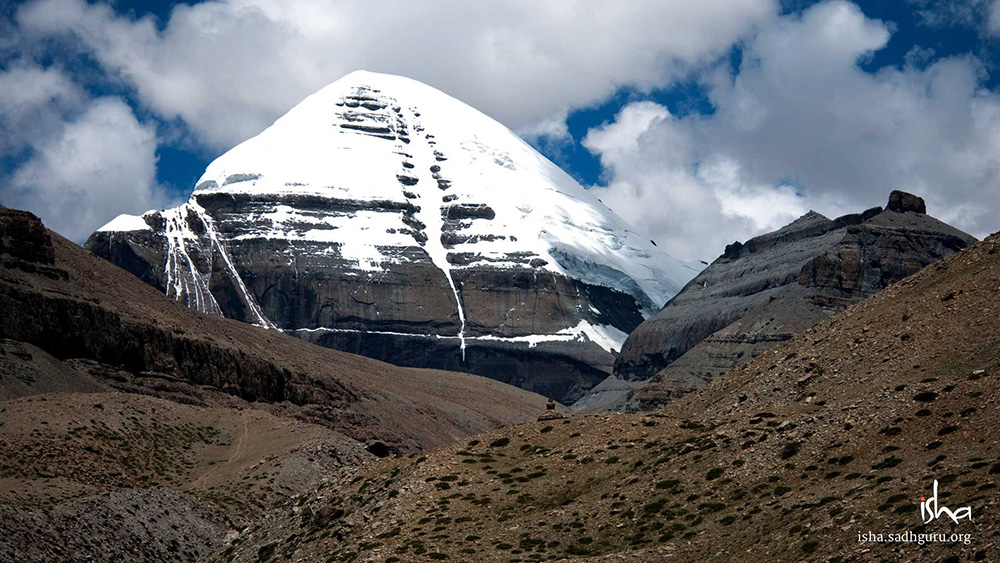
Located in the shadow of the mighty Mount Kailash in western Tibet, Lake Manasarovar is one of the most sacred and serene high-altitude lakes in the world. Revered by Hindus, Buddhists, Jains, and followers of Bon, the lake sits at an elevation of 4,590 meters and is considered a key part of the Mount Kailash Yatra. A pilgrimage to Mount Kailash is not complete without visiting this sacred body of water.
This article explores the spiritual significance of Lake Manasarovar, its history in ancient scriptures, the ritual practices performed by pilgrims, and what travelers can expect during their visit. If you’re planning a Mount Kailash trip, this guide will deepen your understanding of why Lake Manasarovar is a must-visit site and encourage you to embark on this powerful spiritual journey.
The Origin and Mythology of Lake Manasarovar
The name “Manasarovar” is derived from Sanskrit—“Manas” meaning mind, and “Sarovar” meaning lake—thus translating to “Lake of the Mind”. According to Hindu mythology, the lake was first conceived in the mind of Lord Brahma, the creator of the universe. He later manifested it on Earth to offer a spiritual oasis for his children and a bathing site for the gods.
Hindu scriptures such as the Ramayana, Mahabharata, and Puranas reference Manasarovar as the most sacred of all lakes. It is believed that taking a dip in its icy waters cleanses one’s sins accumulated over hundreds of lifetimes, and drinking its water purifies the soul. For Buddhists, the lake is believed to be the physical manifestation of purity, and it’s said that Queen Maya bathed here before giving birth to Lord Buddha.
Religious Importance Across Multiple Faiths
Lake Manasarovar is uniquely significant as it holds a sacred place in four major religions:
Hinduism
In Hindu tradition, Lake Manasarovar is the abode of purity and spiritual liberation. Pilgrims undertake the Mount Kailash Yatra and bathe in this holy lake to attain moksha (liberation from the cycle of birth and death). It is also believed that Lord Shiva and Goddess Parvati reside in the Mount Kailash region, and the lake forms part of their spiritual domain.
Buddhism
In Tibetan Buddhism, Manasarovar is known as “Mapham Yum Tso” and is revered as a place where the Buddha meditated and manifested divine powers. The lake is symbolic of the goddess Tara, and circumambulating the lake is seen as a powerful act of devotion. Tibetan monks perform sacred chants and rituals on its shores, especially during the Saga Dawa festival.
Jainism
According to Jain beliefs, Lake Manasarovar is where the first Tirthankara, Rishabhdev, achieved spiritual awakening. Jains visit the lake as part of their Kailash pilgrimage to reflect and seek higher consciousness.
Bon Religion
The Bon religion, older than Buddhism in Tibet, considers Mount Kailash and Lake Manasarovar as the seat of spiritual energy and life force. Bon rituals focus on balancing the elements of nature, and the lake is considered a key site for spiritual purification.
Sacred Ritual Practices at Lake Manasarovar
Pilgrims visiting Lake Manasarovar participate in a variety of ancient ritual practices. These rituals are performed with deep reverence and are believed to connect the devotee with higher spiritual dimensions.
1. Holy Bath (Snan)
The most well-known practice is taking a dip in the lake, often at dawn. Despite the icy temperatures, pilgrims immerse themselves in the waters to wash away sins and purify the soul. Some even collect the lake water in bottles to take home as sacred blessings.
2. Offering and Prayers
Devotees offer flowers, incense, diya lamps, and prayers to the gods at the lakeshore. Mantras, including the sacred “Om Namah Shivaya,” are chanted in devotion to Lord Shiva.
3. Circumambulation (Parikrama or Kora)
While the Mount Kailash Parikrama is the main trek, some pilgrims also walk around Lake Manasarovar, covering approximately 90 kilometers. This circumambulation is considered highly auspicious and is believed to grant spiritual merit.
4. Meditation and Chanting
The calm and divine atmosphere of the lake makes it a popular site for meditation and spiritual chanting. Many pilgrims, monks, and seekers spend hours on the banks reflecting, meditating, and connecting with the divine.
What to Expect as a Traveler or Pilgrim
Visiting Lake Manasarovar is a physically and spiritually intense experience. Situated at high altitude, travelers must acclimatize properly to avoid altitude sickness. Most Mount Kailash Yatra itineraries include a stop at Lake Manasarovar for one or two nights, allowing ample time for rituals and rest.
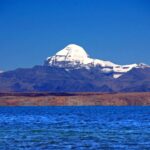
Accommodations near the lake are basic guesthouses or tented camps, but the breathtaking views of the lake against the backdrop of Mount Kailash and the Gurla Mandhata range make up for the modest facilities. The waters of Manasarovar appear to change color—from turquoise to deep blue—and on a clear day, the reflection of Mount Kailash on the lake is a sight to behold.
Travelers are advised to pack warm clothing, stay hydrated, and be mentally prepared for a minimalist stay. However, the inner peace and spiritual energy that radiate from this holy site make every challenge worthwhile.
Best Time to Visit Lake Manasarovar
The best months to visit Lake Manasarovar are May to September, when the weather in Tibet is relatively mild and the lake is accessible. The Saga Dawa festival, celebrated in May or June, marks the birth, enlightenment, and death of Lord Buddha and is one of the most spiritually charged times to visit.
During these months, the lake is free from snow and ice, the skies are generally clear, and the parikrama route is safe. Luxury and budget tour operators alike schedule their Mount Kailash Manasarovar Yatra during this season for the best possible experience.
Final Reflections: A Journey Beyond the Physical
Lake Manasarovar is not just a geographical location—it is a spiritual destination that transcends the boundaries of faith and culture. Whether you’re a pilgrim seeking liberation, a seeker yearning for inner peace, or a traveler drawn by the mystique of Tibet, this lake has the power to stir the soul.
The spiritual pull of Lake Manasarovar, combined with the awe-inspiring sight of Mount Kailash, creates an experience that is both humbling and transformative. Participating in rituals at the lake is not about religion alone—it is about reconnecting with the deeper parts of oneself.
Ready to Embark on Your Kailash Manasarovar Yatra?
We offer carefully curated Mount Kailash Tour Packages that include a stay at Lake Manasarovar, experienced guides, all necessary permits, and spiritual support along the way. Choose from budget or luxury options, and let us help you fulfill your dream of visiting the holiest lake in the Himalayas.
Contact us today to plan your spiritually enriching journey to Lake Manasarovar and Mount Kailash.
Recent Posts
Mount Kailash Kora Distance and Difficulty
Where Is Mount Kailash Located?
Common Visa Mistakes for Mount Kailash Trip (2026)
Kailash Yatra Visa & Permit Processing Time Applying from Kathmandu
Required Permits for Mount Kailash Trip by Route
Do You Need a Visa for Mount Kailash Trip
Visa for Mount Kailash Trip
Age Limit for Mount Kailash Yatra
Mindful Trip to Mount Kailash