
Mount Kailash Yatra via Kathmandu
A Complete Travel Guide for the Overland Route from Nepal to Tibet
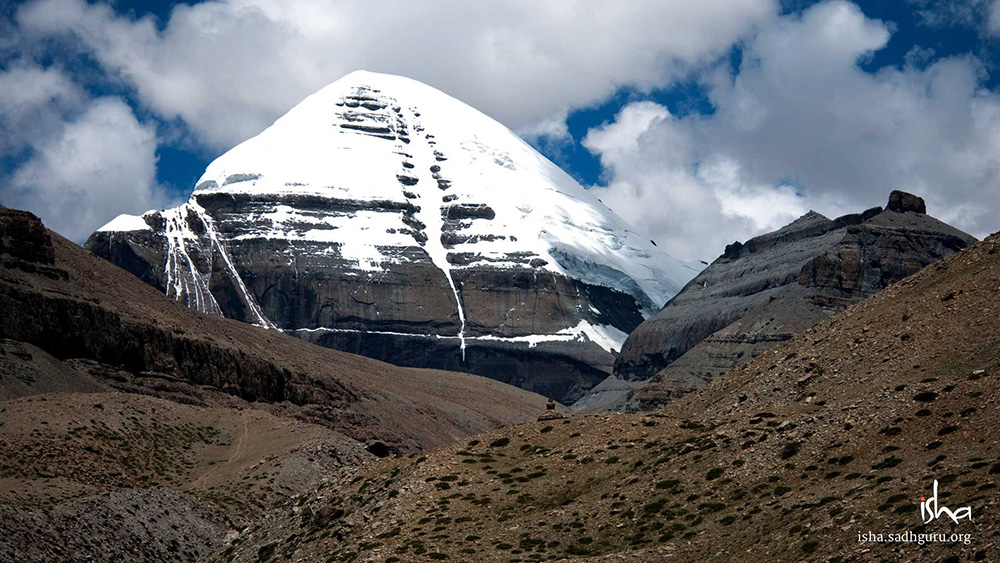
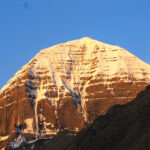
For spiritual seekers and adventure travelers alike, the Mount Kailash Yatra stands as one of the most sacred and transformative journeys on Earth. Revered by Hindus, Buddhists, Jains, and Bon followers, Mount Kailash is not just a mountain—it is believed to be the spiritual axis of the universe. One of the most popular and accessible ways to reach this remote pilgrimage site is through the overland route via Kathmandu, Nepal.
In this detailed guide, we’ll walk you through everything you need to know about the Mount Kailash Yatra via Kathmandu, including how to get there, visa and permit requirements, what to expect on the journey, and why you should consider booking with a trusted tour operator for a seamless experience.
Why Choose the Mount Kailash Overland Route via Kathmandu?
The Kathmandu to Mount Kailash overland route is the most reliable and scenic route for international pilgrims. Starting from Nepal’s capital, this route leads you through stunning Himalayan landscapes, deep river valleys, and high-altitude Tibetan plains, offering natural beauty and time to acclimatize before you reach the sacred mountain.
Benefits of the Overland Route:
-
Gradual acclimatization to high altitudes
-
Easy access to Chinese Group Visa in Kathmandu
-
Explore both Nepalese and Tibetan cultures
-
A more scenic, meditative journey than air routes
-
Lower cost compared to helicopter or charter options
How to Get to Kathmandu from Your Home Country
Tribhuvan International Airport (KTM) is the main international gateway to Nepal. Daily flights connect Kathmandu to major cities like:
-
Delhi, Mumbai, and Bangalore (India)
-
Kuala Lumpur (Malaysia)
-
Bangkok (Thailand)
-
Doha, Dubai, and Istanbul (Middle East and Europe)
-
Lhasa (Tibet, seasonal)
After landing in Kathmandu, you’ll typically spend 2–3 nights there for visa processing and preparation before beginning the road journey to Tibet.
Tip: Arrive at least 4–5 days before the Tibet departure date to allow enough time for Chinese Group Visa processing.
Visa and Permit Requirements for Mount Kailash Yatra
Traveling to Mount Kailash involves crossing from Nepal into Tibet, China, and requires multiple permits and approvals. These are typically arranged by your tour operator.
Required Documents:
-
Nepal Tourist Visa
-
Available on arrival for most nationalities
-
Valid for 15, 30, or 90 days
-
Bring passport-size photos and USD cash
-
-
Chinese Group Visa
-
Mandatory for entry into Tibet from Nepal
-
Issued by the Chinese Embassy in Kathmandu
-
Must be applied for as a group (minimum 5 persons)
-
Takes 3–5 working days to process
-
-
Tibet Travel Permit
-
Issued by the Tibet Tourism Bureau (TTB)
-
Needed to enter and travel within Tibet
-
Applied for by your travel agency in advance
-
-
Alien Travel Permit and Military Permit
-
Required for restricted regions including Kailash
-
Arranged by your Kailash tour operator
-
Note: Individual travel is not allowed in Tibet—foreigners must travel on a group tour with a licensed operator.
Route Overview: Kathmandu to Mount Kailash (Overland)
Here’s what your Mount Kailash overland journey from Kathmandu typically looks like:
Sample Itinerary (13–15 Days):
Day 1: Arrival in Kathmandu (1,400m)
Your spiritual journey to Mount Kailash begins with your arrival in the vibrant capital of Nepal. Upon landing at Tribhuvan International Airport in Kathmandu, you will be warmly received by our representative and transferred to your hotel. This day is reserved for rest and recovery from your flight. In the evening, you’ll attend a brief orientation session where you’ll meet your group and receive an overview of the upcoming pilgrimage. Overnight stay in Kathmandu.
Day 2: Kathmandu Sightseeing & Chinese Visa Application
After breakfast, enjoy a spiritually enriching city tour of three of Kathmandu’s most revered UNESCO World Heritage Sites. Start at the sacred Pashupatinath Temple, dedicated to Lord Shiva and one of the holiest Hindu shrines in the world. Then, visit the magnificent Boudhanath Stupa, an iconic site of Tibetan Buddhism, followed by the serene Swayambhunath Stupa, also known as the Monkey Temple. Later in the day, your original passport will be submitted to the Chinese Embassy in Kathmandu to apply for the Group Visa required for entry into Tibet. Return to your hotel for dinner and rest.
Day 3: Pre-departure Briefing and Preparation
This day is dedicated to preparing for your journey into Tibet. After breakfast, attend a comprehensive pre-departure briefing conducted by our expert team, covering the route, altitude safety, health protocols, and packing essentials. You’ll be issued duffle bags for your gear, and any last-minute items can be purchased in nearby shops. Take this opportunity to mentally and physically prepare for the sacred adventure that lies ahead. Overnight in Kathmandu.
Day 4: Drive from Kathmandu to Syabrubesi (117 km / 7–8 hrs)
Today, you’ll leave Kathmandu and begin the overland drive toward the Nepal-Tibet border. The journey to Syabrubesi, a small village nestled in the Himalayan foothills, is scenic and filled with views of terraced fields, lush hills, and river valleys. This is a great day to enjoy nature and adjust to the slowly increasing altitude. Upon arrival, settle into your guesthouse and rest in preparation for the border crossing the next day.
Day 5: Cross Rasuwagadhi Border and Drive to Kerung (2,900m)
After an early breakfast, you’ll drive to the Rasuwagadhi border checkpoint to complete Nepalese immigration formalities. Once cleared, you’ll cross into Tibet, where our Tibetan team will assist with Chinese immigration and further procedures. From the border, it’s a short but stunning drive to Kerung (Kyirong), a Tibetan town located at 2,900 meters. You’ll spend the night here to begin the process of high-altitude acclimatization.
Day 6: Drive from Kerung to Saga (4,500m)
The landscape changes dramatically today as you travel deeper into the Tibetan Plateau. The drive from Kerung to Saga takes you through arid plains, high mountain passes, and views of snow-covered peaks. You’ll pass small nomadic villages and turquoise lakes along the way. Upon reaching Saga, check in to your hotel and rest well, as the altitude now exceeds 4,500 meters.
Day 7: Acclimatization Day in Saga
To ensure your body adjusts well to the high altitude, today is a rest and acclimatization day in Saga. Use this time to hydrate, take short walks, and relax. Our team will conduct basic health checks and offer advice on dealing with altitude. Proper acclimatization is crucial for the upcoming days of the yatra. Overnight stay in Saga.
Day 8: Drive from Saga to Lake Manasarovar (4,590m)
This is a spiritually significant day as you make your way to the holy Lake Manasarovar. The journey from Saga is visually breathtaking, with expansive views of the Tibetan plateau and glimpses of the Himalayas. Upon arrival at Lake Manasarovar, pilgrims perform holy rituals including a dip in the lake and meditation along the shore, believed to purify the soul. Spend the evening soaking in the spiritual energy of this sacred site. Overnight stay near the lake in a guesthouse.
Day 9: Drive from Lake Manasarovar to Darchen (4,575m)
After a morning prayer and peaceful sunrise by Lake Manasarovar, you’ll drive to Darchen, the base town for the Mount Kailash Parikrama. Here, you’ll prepare for the upcoming three-day trek, hire optional yaks, porters, or ponies if needed, and receive final instructions from the guide. Overnight stay at a guesthouse in Darchen.
Day 10: Trek Day 1 – Darchen to Dirapuk (4,950m)
The first day of the Mount Kailash Kora (Parikrama) begins with a drive to Yamdwar, the starting point of the trek. From there, you’ll begin your 12 km walk toward Dirapuk Monastery, with Mount Kailash standing majestically to your right. The trail is relatively gradual, offering inspiring views of the sacred mountain. Arrive at Dirapuk and settle into a basic guesthouse or monastery accommodation. The view of the north face of Kailash at sunset is truly unforgettable.
Day 11: Trek Day 2 – Dirapuk to Zuthulphuk via Dolma La Pass (5,645m)
Today is the most challenging yet spiritually rewarding day of the Parikrama. You’ll ascend to Dolma La Pass (5,645m), the highest point of the trek. The steep climb is demanding due to altitude, but the prayer flags at the summit and the breathtaking views make it worthwhile. After crossing the pass, descend toward Gauri Kund, a sacred lake, and continue to Zuthulphuk Monastery. Total trekking distance is about 22 km. Overnight stay at a guesthouse.
Day 12: Trek Day 3 – Zuthulphuk to Darchen (Return)
The final leg of the Kora is a gentle 10 km walk through picturesque valleys and rocky terrain. After completing the circuit, you’ll be picked up by vehicle and driven back to Darchen. Congratulations—you’ve successfully completed the sacred Mount Kailash Parikrama. Rest and celebrate this major milestone. Overnight stay in Darchen.
Day 13: Drive from Darchen to Saga
Begin the return journey from Darchen back to Saga, retracing your route across the Tibetan landscape. Though the path is familiar, the spiritual transformation from the Kailash experience adds a new lens to the surroundings. Overnight stay in Saga.
Day 14: Drive from Saga to Kerung
Continue the overland return trip by driving from Saga to Kerung, where you’ll spend the night before crossing back into Nepal. Take the evening to reflect on the yatra and rest before your final descent.
Day 15: Cross Border and Drive Back to Kathmandu
After breakfast, complete border formalities and re-enter Nepal at Rasuwagadhi. From there, drive back to Kathmandu, arriving by evening. Upon return, enjoy a celebratory dinner or explore the city’s shops for souvenirs. This final day is yours to rest, reflect, or participate in optional closing rituals before concluding the journey.
What to Pack for the Mount Kailash Yatra via Kathmandu
Here’s a quick checklist of essential items to carry:
-
Warm layered clothing (temperatures drop below freezing at night)
-
Trekking boots and wool socks
-
Down jacket, gloves, hat, and scarf
-
Sleeping bag (rated for -10°C or colder)
-
Sunglasses, sunscreen, lip balm
-
Water bottle with purification tablets
-
Personal medications and first aid kit
-
Energy snacks and dry fruits
-
Small daypack for trek essentials
-
Passport copies, passport-size photos, and permits
Most of the heavy luggage will be carried by vehicle or yak during the trek.
Health, Acclimatization & Safety Tips
Due to high altitude and remote terrain, physical fitness and health preparation are key. You’ll be traveling at altitudes ranging from 2,900m to 5,645m (Dolma La Pass).
Altitude Sickness Prevention:
-
Acclimatize properly with gradual ascent
-
Stay hydrated, avoid alcohol
-
Take prescribed medication like Diamox (consult your doctor)
-
Travel with a group that provides oxygen and emergency support
Always travel with a licensed operator that includes oxygen support, first aid, and contingency evacuation plans.
Best Time for Mount Kailash Yatra via Kathmandu
The ideal time to visit Mount Kailash via the overland route is from May to mid-September.
-
May–June: Mild weather and fewer crowds
-
July–August: Warmer but prone to rainfall in Nepal
-
September: Clear skies, post-monsoon beauty
The full moon of Saga Dawa (usually May or June) is one of the holiest times for the Yatra, drawing thousands of pilgrims from around the world.
Why Book with a Trusted Kailash Tour Operator?
The Mount Kailash Yatra is not an ordinary trek—it’s a journey of faith, endurance, and spiritual awakening. The terrain, permits, and international border regulations make it essential to book with an experienced and certified Kailash tour provider.
What a Good Tour Operator Should Provide:
-
Complete visa and permit assistance
-
Local Tibetan and Nepali guides
-
Medical support, oxygen backup, and altitude readiness
-
Accommodations, meals, and transportation
-
Trekking support staff (porters, yaks, ponies)
-
Fixed departure dates and group coordination
Some operators even offer spiritual programs, meditation sessions, and personalized pooja arrangements at Manasarovar.
Ready to Begin Your Mount Kailash Journey?
Join our Mount Kailash Yatra 2025 via Kathmandu for a powerful combination of adventure, devotion, and peace. Our all-inclusive packages offer a safe, well-managed experience with professional guides and cultural insights.
Book now to reserve your seat and take the first step toward a life-changing spiritual pilgrimage.
Recent Posts
Mount Kailash Kora Distance and Difficulty
Where Is Mount Kailash Located?
Common Visa Mistakes for Mount Kailash Trip (2026)
Kailash Yatra Visa & Permit Processing Time Applying from Kathmandu
Required Permits for Mount Kailash Trip by Route
Do You Need a Visa for Mount Kailash Trip
Visa for Mount Kailash Trip
Age Limit for Mount Kailash Yatra
Mindful Trip to Mount Kailash