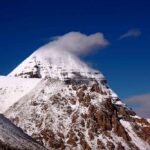


Mount Kailash Yatra Open for Indians
Is Mount Kailash Yatra Open for Indians for 2026? Everything You Need to Know
Get on a sacred pilgrimage into the pristine, mythical heart of the Himalayas — the Mount Kailash Yatra is officially open for Indian citizens in 2026 via the Nepal route.
Introduction: The Call of the Divine
Mount Kailash is not just a peak; it’s a holy, timeless, and sacrosanct symbol of enlightenment and transcendence. Revered by Hindus, Buddhists, Jains, and Bon practitioners, this celestial mountain is believed to be the abode of Lord Shiva, representing the axis of the world.
In 2026, Indian devotees are once again welcomed to undertake this awe-inspiring pilgrimage via Nepal—a route that is not only more accessible but also deeply soulful, tranquil, and spiritually blessed.
Is the Mount Kailash Yatra Open for Indians in 2026?
Yes. The Mount Kailash Yatra is open for Indian pilgrims in 2026 via the Nepal route. After several years of closures due to the COVID-19 pandemic and geopolitical constraints, the Chinese authorities have reopened the border at Purang (Tibet) for organized groups traveling through Nepal.
Indian travelers can now register through authorized Nepal-based tour operators for guided tours starting from Kathmandu.
Why Choose the Nepal Route?
Unlike the Indian government-run routes via Lipulekh or Nathu La (Sikkim), the Nepal route offers a more serene, unspoiled, and meditative experience. Beginning in Kathmandu, this journey takes pilgrims by road through the scenic Langtang region to the Rasuwagadhi-Kerung border, where they cross into Tibet and continue overland to Saga, Lake Mansarovar, and ultimately to the divine sanctuary of Mount Kailash. This route, while slightly longer in distance, allows for better acclimatization and a deeper meditative connection with the breathtaking, pristine Himalayan landscapes.
One of the biggest advantages of the Nepal–Kerung route is its accessibility—no lottery system, no government registration, and more flexibility with private and group departures. Indian pilgrims can travel in comfort via well-organized overland tours with modern vehicles and professional guides. This path is ideal for those seeking a devotional, ritualistic, and faith-filled experience, without the physical strain of high-altitude trekking or the logistical complexities of helicopter routes. The Kerung route embodies a graceful balance of comfort and spiritual awakening, making it an increasingly popular choice for those on a quest for transcendence, enlightenment, and inner peace at the mythical, hallowed peak of Mount Kailash.
Best Time to Undertake the Mount Kailash Yatra
The ideal time to undertake the Mount Kailash Yatra is from May to September, when the weather in the Tibet Autonomous Region is relatively stable and the mountain passes are accessible. This period offers clear skies, tranquil landscapes, and pleasant daytime temperatures—perfect conditions for completing the ritualistic Kora (circumambulation) around the sacred Mount Kailash. Among these months, the full moon days of July and August are especially revered, as they are believed to be karmically powerful and spiritually uplifting, drawing thousands of pilgrims seeking divine blessings, enlightenment, and grace.
In 2026, the Yatra holds even greater significance as it coincides with the Year of the Horse in the Tibetan calendar—a mythical and sacred year believed to multiply the spiritual merit of completing the Kailash Kora by 13 times. This celestial alignment makes 2026 an exceptionally blessed time for this faith-filled, soulful pilgrimage. Pilgrims walking the hallowed path around Mount Kailash during this auspicious year are believed to achieve accelerated karmic purification, inner awakening, and transcendence on their journey to this eternal sanctuary.
Spiritual & Mythological Significance of Mount Kailash
Mount Kailash is not just a peak—it’s a monumental, mystical, and sacrosanct sanctuary revered by multiple religions and spiritual traditions. This ancient and timeless mountain stands as a symbol of divine power, cosmic balance, and spiritual awakening, drawing pilgrims from around the world on a quest for transcendence, enlightenment, and inner peace. Every year, thousands undertake the ritualistic Kora (circumambulation) around Mount Kailash, believing that this sacred act cleanses lifetimes of karmic debt and sets the soul on a path of ascension. The experience is not merely physical—it is a soulful inner journey, filled with grace, sacrifice, and devotional discipline.
In Hinduism, Mount Kailash is believed to be the divine abode of Lord Shiva, the supreme yogi and cosmic transformer. Performing the Parikrama is seen as an offering of faith, a journey toward awakening and spiritual liberation. In Buddhism, the mountain is home to Demchok (Chakrasamvara), representing the union of wisdom and compassion—an embodiment of blissful enlightenment. For Jains, the region near Mount Kailash, known as Ashtapada, is the place where their first Tirthankara, Rishabhanatha, attained moksha (liberation). Meanwhile, followers of the ancient Bon tradition regard Kailash as the spiritual center of the universe, the axis mundi that connects the physical world with the heavens. Regardless of faith, pilgrims believe that every step taken around this ethereal, hallowed mountain brings divine blessings, spiritual clarity, and ultimate liberation.
Sample Itinerary: Kailash Yatra via Nepal
Day 1: Arrival in Kathmandu.
Upon arrival at Kathmandu airport, our representative will warmly welcome and transfer you to the hotel. Take time to relax and prepare for your spiritual journey to Mount Kailash. Overnight stay at hotel.
Day 2: Tibet Visa Process & Sightseeing.
Begin the morning with Tibet visa formalities, including signature or biometric (if required). After completing the process, enjoy a guided spiritual tour to Pashupatinath Temple, Jal Narayan (Sleeping Vishnu), and Guheshwari Temple. In the evening, witness the enchanting Pashupatinath Arati.
Day 3: Leisure & Trip Preparation.
Day kept free for visa processing. You may enjoy a private excursion to Chandragiri Hill or Doleshwar Mahadev Temple at your own cost. After lunch, our team will help you prepare and brief for the upcoming Mount Kailash pilgrimage.
Day 4: Drive to Rasuwa Gadhi (1,900m).
After breakfast, drive to Rasuwa Gadhi (152 km – approx. 7 hours). Enjoy scenic beauty along the way, including lush hills and winding rivers. Overnight stay near the border, preparing for next day’s entry into Tibet.
Day 5: Cross Border to Kerung (2,900m).
After breakfast, complete immigration and customs at both Nepal and China borders. Then drive 26 km to the Tibetan town of Kerung. Relax and acclimatize to the altitude. Overnight stay at hotel in Kerung.
Day 6: Drive to Saga (4,500m).
Drive 250 km to Saga with scenic views en route. Enjoy incredible sights of Mount Shishapangma (8,021m), Gauri Shankar, and other peaks from the high Gurung-La Pass (5,050m). Arrive in Saga and rest for acclimatization.
Day 7: Drive to Lake Manasarovar (4,500m).
A spiritually significant day. Drive 385 km to reach the sacred Lake Manasarovar. Enjoy the first breathtaking view of Mount Kailash from Horchu Pass. Overnight stay at Chhu Gompa by the lake’s shore.
Day 8: Rituals at Manasarovar & Drive to Darchen (4,560m).
Perform sacred rituals, including puja, havan, and a holy dip in Lake Manasarovar. In the afternoon, drive 30 km to Darchen, the base town for Mount Kailash Parikrama. Overnight stay at hotel.
Day 9: Trek from Darchen to Diraphuk (4,890m).
Begin Mount Kailash Parikrama. Drive 10 km to Tarboche, the starting point. Trek 18 km (approx. 4–5 hours) to Diraphuk. Witness the majestic north face of Kailash along the way. Overnight at guesthouse.
Day 10: Trek to Zuthulphuk via Dolma La Pass (5,600m).
This is the most challenging and rewarding day of the trip. Trek 22 km over Dolma La Pass (5,600m), offering short prayers at the top. Descend past Gauri Kunda and reach Zuthulphuk. Overnight at guesthouse.
Day 11: End of Parikrama & Drive to Saga.
Trek 8 km to complete the Parikrama, reaching the pick-up point. Drive to Darchen, then continue through Manasarovar (Horchu) to Saga. The holy circuit concludes with blessings and scenic drive.
Day 12: Drive to Kerung.
Drive back from Saga to Kerung, retracing the scenic route through Tibetan plateau landscapes. Take time to relax, acclimatize lower, and reflect on the spiritual experiences. Overnight stay in Kerung.
Day 13: Return to Kathmandu.
After early breakfast, complete immigration at the China-Nepal border. Drive back to Kathmandu via Rasuwa Gadhi. Transfer to hotel and relax after the long, fulfilling Kailash journey.
Day 14: Departure from Kathmandu.
After breakfast, we’ll transfer you to Kathmandu International Airport for your onward flight. Depart with blessings and unforgettable memories of Mount Kailash Yatra. Trip concludes.
Documents & Permits Required
To ensure a smooth and lawful pilgrimage:
-
Valid Indian passport (minimum 6 months validity)
-
Chinese Group Visa
-
Tibet Travel Permit (TTP)
-
Restricted Area & Alien Travel Permit
-
Fitness and medical clearance recommended
These permits are arranged by Nepal-based travel operators, removing the need for government selection or registration.
Cost of Kailash Yatra for Indians (2026)
Estimated cost ranges between ₹1.65 – ₹2.60 lakhs per person, depending on:
-
Helicopter vs overland option
-
Type of accommodation
-
Group size and duration
-
Time of year (peak full moon departures are premium)
The packages typically include:
-
Visa & permits
-
All transportation (flights, heli, ground)
-
Accommodation & meals
-
Guides, porters, yaks
-
Emergency oxygen & first aid
Preparation for the Mount Kailash Yatra
Mount Kailash Yatra is not just a physical expedition—it is a deeply faith-filled, soulful journey that demands thorough physical, mental, and spiritual preparation. Unlike regular treks or holidays, this pilgrimage to the sacrosanct, remote terrains of Tibet is a path of sacrifice, awakening, and spiritual elevation. Pilgrims must be prepared to endure high altitudes, extreme weather conditions, and basic living standards, all while maintaining a steady mind and an open heart. This journey is as much about the inner transformation as it is about reaching the divine, hallowed grounds of Mount Kailash.
To prepare physically, it is essential to begin a cardiovascular and walking regimen at least 3 to 6 months in advance. Regular hiking, stair climbing, and breathing exercises help build stamina and increase lung capacity—both critical at altitudes exceeding 4,500 meters. Practicing yogic breath control (pranayama) and meditative awareness also aids in calming the mind and managing altitude-related anxiety. Carrying high-altitude medications like Diamox and maintaining a personal medical kit are strongly recommended, especially for those with pre-existing conditions. However, beyond all physical preparation, what truly sustains pilgrims on this ritualistic, sacred journey is the mental devotion and spiritual intent—a heartfelt commitment to face discomfort, embrace humility, and walk the path with grace, discipline, and unwavering faith. This is not a luxury trip—it is a soulful offering, a step toward transcendence and divine enlightenment.
What to Pack
-
Thermal layers, down jacket, waterproof gear
-
High-quality trekking boots
-
Sunglasses, sunscreen, lip balm
-
Personal medical kit
-
Backpack with hydration system
-
Prayer beads, scriptures, offerings (optional)
Pack light but wisely—respect the sacred, remote, and challenging terrain.
Sacred Rituals to Observe
-
Holy dip in Lake Mansarovar
-
Offerings at Mount Kailash base
-
Chanting and silent reflection during Parikrama
-
Participate in Saga Dawa Festival if traveling in May/June
-
Prostration Kora (if physically able)—ultimate act of devotion
Each ritual is a personal step toward divine connection, inner transformation, and transcendence.
Final Thoughts: A Soulful Ascent to the Divine
The Mount Kailash Yatra 2026 is more than a journey—it is a sacrosanct, faith-filled, and mystical pilgrimage to the very sanctuary of spiritual truth. As you tread these ancient, luminous paths under the majestic, snow-capped peaks, you’re not just climbing mountains—you are ascending to higher consciousness.
Let 2026 be your year of awakening, grace, and transcendence.
Let the soulful call of Kailash lead you on a path of inner peace and divine clarity.
Recent Posts
Mount Kailash Kora Distance and Difficulty
Where Is Mount Kailash Located?
Common Visa Mistakes for Mount Kailash Trip (2026)
Kailash Yatra Visa & Permit Processing Time Applying from Kathmandu
Required Permits for Mount Kailash Trip by Route
Do You Need a Visa for Mount Kailash Trip
Visa for Mount Kailash Trip
Age Limit for Mount Kailash Yatra
Mindful Trip to Mount Kailash