
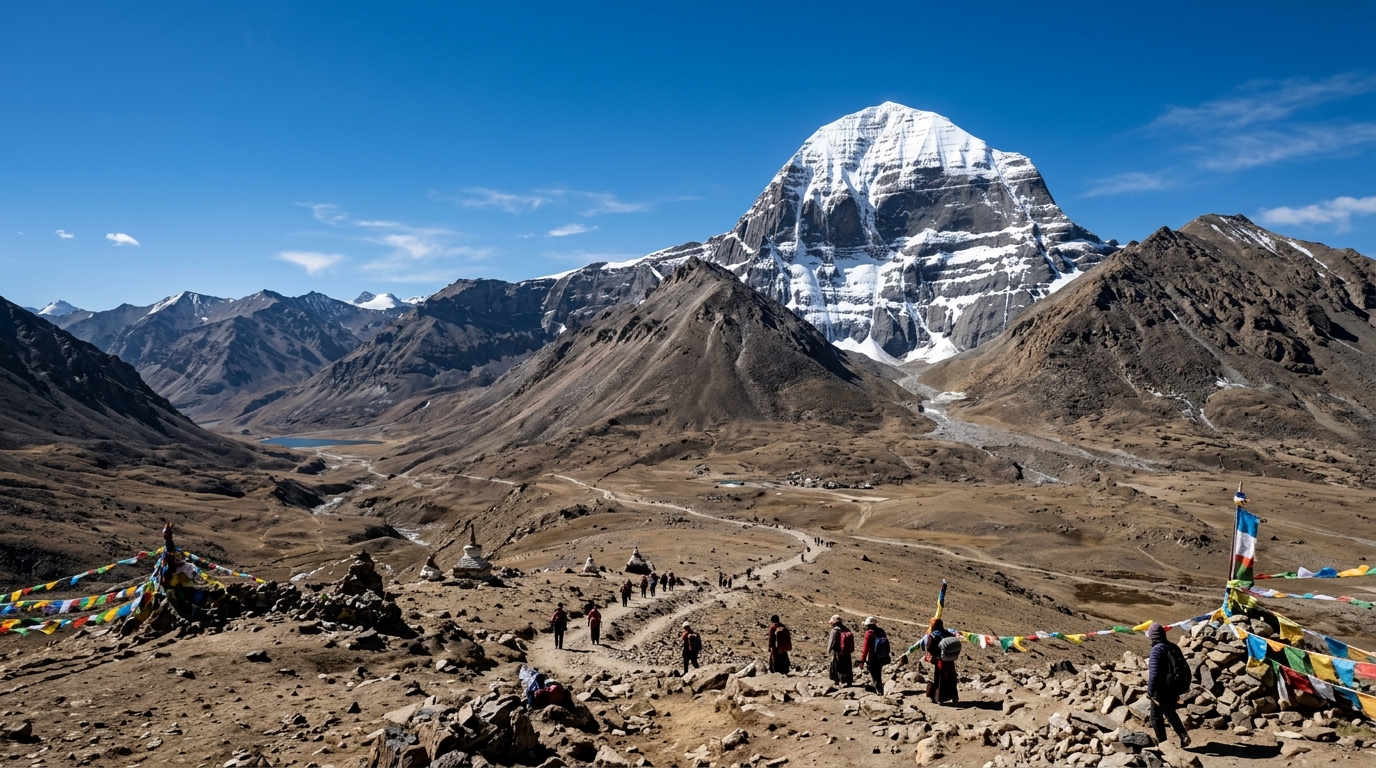
Kailash Manasarovar Yatra 2027
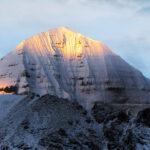
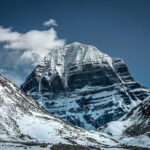
The Kailash Manasarovar Yatra is one of the most demanding and spiritually significant pilgrimages on earth. It takes you to Mount Kailash 6,638 meters high, unclimbed by any human and to the shores of Lake Manasarovar, the world’s highest-altitude freshwater lake. Both sites are sacred across four religions: Hinduism, Tibetan Buddhism, Jainism, and Bon.
This is not a comfortable resort holiday. It’s a 52-km circumambulation (Kora) around a holy mountain, crossing a 5,645-meter pass, at altitudes that challenge even fit trekkers. For the people who do it, it’s the most meaningful journey of their lives.
Mount Kailash Trip has been running Kailash tours from Kathmandu for over a decade. This page covers everything you need to plan your 2027 Yatra: fixed departure dates, package costs, route options, a sample itinerary, permit requirements, and physical fitness guidelines.
Why Undertake the Kailash Manasarovar Yatra in 2027?
After years of disrupted access due to permit restrictions and global travel interruptions, Tibet has reopened and Kailash tours are running at full capacity. 2027 represents a stable, well-organized window for pilgrims who’ve been waiting — with reliable permit processing, established overland routes, and experienced operators back in operation.
The Saga Dawa Festival falls in May–June 2027. This is one of the holiest periods in the Tibetan Buddhist calendar, marking the birth, enlightenment, and parinirvana of Buddha Shakyamuni. Completing the Kailash Kora during Saga Dawa — particularly on the full moon day known as Saga Dawa Düchen — is considered the most meritorious act a practitioner can undertake. For Hindu pilgrims, this same window aligns with the peak devotional season for Lord Shiva at Kailash.
If you’ve been planning this trip and waiting for the right year, 2027 is a genuinely good time to go: stable access, experienced operators, and the Saga Dawa window for those who want maximum spiritual significance.
Mount Kailash and Lake Manasarovar: Why These Sites Matter
Mount Kailash sits in the Gangdise Range of the Trans-Himalaya in Tibet Autonomous Region. No expedition has ever reached its summit — not because the climbing is technically impossible, but because the global consensus, across every tradition that holds the mountain sacred, is that it should not be climbed. The mountain stands pristine for that reason.
In Hindu tradition, Kailash is the earthly home of Lord Shiva and Goddess Parvati. The four great rivers of South Asia — the Indus, Brahmaputra, Karnali, and Sutlej — all originate from the Kailash range, making it literally the source of life for hundreds of millions of people downstream.
In Tibetan Buddhism, Kailash is Kangri Rinpoche — the Precious Snow Mountain — the residence of Demchok, the deity of supreme bliss. Milarepa, the 11th-century Buddhist poet-saint, meditated in caves around Kailash and is the only person in recorded tradition believed to have reached its peak.
In Jainism, the nearby peak of Ashtapad is where Rishabhdeva, the first Tirthankara, attained liberation. For Bon practitioners — Tibet’s pre-Buddhist spiritual tradition — Kailash is Tise, the soul-mountain of all existence.
Lake Manasarovar sits about 20 km from Kailash at 4,590 meters elevation. It covers roughly 320 square kilometers and reaches depths of 90 meters. According to Hindu scripture, the lake was created in the mind of Lord Brahma before it manifested physically — hence the name Manas (mind) sarovar (lake). Bathing in or drinking from its waters is believed to cleanse the karma of many lifetimes. Adjacent to it is Rakshas Tal, a saltwater lake traditionally associated with demonic energy — the physical contrast between the two lakes mirrors the spiritual contrast between liberation and bondage.
Kailash Manasarovar Yatra 2027: Fixed Group Departure Dates
All departures are group tours leaving from Kathmandu. Tibet Travel Permits require a minimum 14-day processing window, which is why your Kathmandu arrival date is approximately two weeks before the actual Tibet entry date. Do not book international flights until you’ve confirmed permit timelines with us.
| S.N | Kathmandu Arrival | Visa Application | Tibet Entry Date | Remark |
| 1 | 2nd May 2027 | 3rd May 2027 | 16th May 2027 | Saga Dawa Season |
| 2 | 17th May 2027 | 18th May 2027 | 31st May 2027 | Full Moon |
| 3 | 30th May 2027 | 31st May 2027 | 14th June 2027 | Full Moon |
| 4 | 18th June 2027 | 19th June 2027 | 3rd July 2027 | |
| 5 | 28th June 2027 | 29th June 2027 | 13th July 2027 | Full Moon |
| 6 | 4th July 2027 | 5th July 2027 | 18th July 2027 | |
| 7 | 27th July 2027 | 28th July 2027 | 10th August 2027 | Full Moon |
| 8 | 2nd August 2027 | 3rd August 2027 | 16th August 2027 | |
| 9 | 25th August 2027 | 26th August 2027 | 9th September 2027 | Full Moon |
| 10 | 12th September 2027 | 13th September 2027 | 27th September 2027 | |
| 11 | 19th September 2027 | 20th September 2027 | 4th October 2027 | Full Moon |
Note: Dates are indicative and subject to final confirmation based on Tibet permit approvals from the Chinese government. Private group departures on custom dates are available — contact us for availability.
Full Moon Departure Dates 2027
Many pilgrims specifically plan their Kora to coincide with a full moon. The moonlight over Kailash and Manasarovar on clear nights at altitude is unlike anything most people have experienced. From a practical standpoint, the full moon also aids navigation if trekking continues into the evening hours. Spiritually, full moon nights are considered especially powerful for ritual bathing, circumambulation, and meditation at both sites.
Full moon dates during the 2027 Kailash season:
- May 11, 2027 — Saga Dawa full moon (Saga Dawa Düchen — the most sacred day)
- June 10, 2027
- July 9, 2027
- August 8, 2027
- September 6, 2027
- October 6, 2027 — Final full moon of the season
Our departure schedule is structured so that Kora days align as closely as possible with full moon nights for the batches marked ‘Full Moon’ in the table above. These dates fill the fastest — if you have a preference, contact us early.
SAGA DAWA 2027: Saga Dawa Düchen, the single most auspicious day of the year for the Kailash Kora, falls on May 11, 2027. Our Batch 1 departure (Kathmandu arrival May 2nd) is designed specifically to align Kora days with this festival. Seats are extremely limited for this batch.
Kailash Yatra 2027 Tour Cost and Package Options
Pricing varies by route, group size, accommodation grade, and optional helicopter assistance. All packages include Tibet group visa processing, Tibet Travel Permit, twin-sharing guesthouse accommodation, meals in Tibet, English/Hindi-speaking guide, and ground transport within Tibet.
| Package | Duration | Key Inclusions |
| Kailash Overland Tour (Nepal route) | 14–16 days | Kathmandu–Kerung–Kailash–Manasarovar–Kathmandu |
| Kailash Tour via Lhasa | 17–19 days | Lhasa sightseeing + Kailash Kora + Manasarovar |
| Kailash + Everest Base Camp | 19–22 days | EBC + full Kailash circuit + Manasarovar |
Routes to Kailash Manasarovar: Which Should You Take?
Three main routes connect Nepal to Kailash. Each suits a different kind of traveller.
| Route | Entry Point | Duration | Best For | Road Quality |
| Nepal Overland | Kerung Border | 14–16 days | Most travellers — best value | Good paved road |
| Via Lhasa | Lhasa Airport / Train | 17–19 days | Those wanting Lhasa sightseeing | Excellent |
| Simikot / Hilsa | Simikot Airport (Nepal) | 15–17 days | Remote trekkers, adventure pilgrims | Rough and scenic |
The Nepal Overland route via Kerung (Gyirong) Border is the most popular choice for international pilgrims. It’s accessible, cost-effective, and runs through some of Tibet’s most dramatic plateau scenery before reaching Kailash. Almost all of our fixed group departures use this route.
The Via Lhasa route makes sense if you want to spend 2–3 days exploring Lhasa’s monasteries, the Potala Palace, and Jokhang Temple before heading to Kailash. It adds cost and days but is rewarding for those with time.
The Simikot/Hilsa route enters Tibet from the remote far-western corner of Nepal and suits experienced trekkers who want a longer, more physically demanding approach. It’s less crowded and arguably more scenically dramatic in the Nepal sections.
Best Time for Kailash Manasarovar Yatra 2027
The season runs May to October. Outside this window, Tibet’s extreme winter makes travel unsafe and permits are not issued for Kailash travel.
| Month | Temperature | Conditions | Best For |
| May | 0°C to 15°C | Clear, some snow on high passes | Saga Dawa, peak pilgrimage season opening |
| June | 5°C to 18°C | Excellent visibility, busiest month | Full moon Kora, post-Saga Dawa pilgrimages |
| July | 8°C to 20°C | Tibet stays dry (monsoon stays south) | Families, first-timers |
| August | 8°C to 18°C | Stable, reliable conditions | Most group departures, broadest availability |
| September | 3°C to 15°C | Crisp air, quieter crowds | Photography, introspective pilgrims |
| October | -5°C to 8°C | Cold, last window before winter closure | Experienced trekkers only |
May and June are the peak months — most spiritually significant (Saga Dawa), best visibility, and highest demand. Guesthouses book out fast. September is the underrated choice for those wanting a quieter, more meditative experience with fewer fellow pilgrims on the trail.
Permits, Visas & Documentation for Kailash Yatra 2027
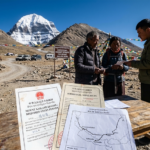
Tibet is a restricted-entry destination. Every foreign national — including Indian passport holders — needs multiple permits to legally reach Kailash. This is the single most common source of confusion and failed trips for first-timers. Understand the requirements before booking anything.
Required Documents for Most Nationalities
- Mandatory for all foreign nationals entering Tibet. Issued by the Tibet Tourism Bureau and can only be processed through a licensed tour operator — you cannot obtain this independently. Processing takes 14–17 working days.Tibet Travel Permit (TTP):
- Indian nationals and most other nationalities cannot enter Tibet on a standard Chinese tourist visa. A special group visa is required. Individual tourist visas to Tibet have been suspended since 2008.Chinese Group Visa:
- Required to travel beyond Lhasa into restricted areas including the Kailash region. Obtained in Lhasa as part of the tour logistics. Alien’s Travel Permit (ATP):
- Required specifically for the Kailash and Manasarovar area. Processed alongside the ATP by your operator. Military Area Permit:
- Minimum 6 months validity from your return date. Minimum 2 blank visa pages required. Valid passport:
Indian Nationals: Two Options
Indian passport holders have two ways to do the Kailash Yatra:
- The Indian Ministry of External Affairs runs a quota-based program with approximately 750 seats per year, allocated by lottery. This covers Lipulekh Pass (Uttarakhand) and Nathu La Pass (Sikkim) routes. Seats are limited and unpredictable. MEA Government Route:Book through a licensed Nepal-based operator like Mount Kailash Trip. This is open year-round, not subject to Indian quota limits, and offers far more departure flexibility. Most Indian pilgrims now use this route for precisely this reason. Nepal Private Operator Route:
PROCESSING TIME: Tibet permits take 14–17 working days minimum. This is why our itinerary builds in a Kathmandu waiting period before Tibet entry. Book international flights to Kathmandu only — do not pre-book onward travel until permits are confirmed.
Physical Fitness & Medical Requirements
The Kailash Kora is a 52km high-altitude trek that peaks at 5,645m. Dolma La Pass — the highest point — sits higher than Everest Base Camp. This is a genuine physical challenge. Adequate preparation is not optional.
Minimum Fitness Standard
You should be able to walk 8–10km per day on uneven, inclined terrain at sea level without significant difficulty. Prior experience at altitude above 3,500m is strongly recommended. If you’ve trekked to Everest Base Camp or similar, you have a useful reference point for what this journey demands.
Medical Disqualifications
- Active cardiovascular disease or recent heart surgery
- Severe or uncontrolled asthma
- Uncontrolled hypertension (high blood pressure)
- Severe anemia or blood disorders
- Pregnancy
- Age under 10 or over 70 (age limit is flexible with medical clearance from your doctor)
Altitude Sickness
Acute Mountain Sickness (AMS) is the most common health risk. Symptoms: persistent headache, nausea, dizziness, fatigue, loss of appetite. Serious progression to HAPE (High Altitude Pulmonary Edema) or HACE (High Altitude Cerebral Edema) is life-threatening. Our tours include high-altitude trained guides, supplemental oxygen for emergencies, and acclimatization days built into the schedule. Pilgrims should consult their doctor about Diamox (acetazolamide) prophylaxis before travelling.
Pre-Trip Preparation
- Cardiovascular training 8–12 weeks before departure (hiking, stair climbing, running)
- Doctor consultation if you have any pre-existing condition
- Travel medical insurance covering high-altitude emergency evacuation — non-negotiable
- Breaking in trekking boots well before departure
FAQ — Kailash Manasarovar Yatra 2027
Q1. Is the Kailash Manasarovar Yatra open for foreign nationals in 2027?
Yes. Tibet has reopened to foreign tourists and Kailash tours are operational. All foreign nationals require Chinese group visas and Tibet Travel Permits processed through a licensed operator. Individual tourist visas to Tibet are not available. Permits are subject to annual approval by the Chinese government and can be suspended without notice due to political developments — this is a known and unavoidable risk of Tibet travel that all pilgrims should factor into their planning.
Q2. How much does the Kailash Manasarovar Yatra cost in 2027?
Starting from USD $1,350 per person for the standard Nepal overland group tour (twin-sharing, fixed departure). The Via Lhasa option starts at $1,650. The Kailash plus Everest Base Camp combo starts at $1,950. Helicopter-assisted packages start at $3,200. Private custom tours are priced on application. All pricing includes permits, accommodation in Tibet, meals in Tibet, guide fees, and ground transport. International flights, insurance, and personal gear are excluded.
Q3. How long is the Kailash Manasarovar Yatra?
From Kathmandu, the full trip takes 16 to 22 days depending on your route and package. This includes 14 days in Kathmandu for visa processing, 10–12 days in Tibet (covering Manasarovar, Darchen, and the 3-day Kora), and travel days. The Kora itself is 3 days of trekking covering 52km. Add-ons like Lhasa (3–4 days) or Everest Base Camp (4–5 days) extend the total.
Q4. What is the Kailash Kora and how difficult is it?
The Kailash Kora (also called parikrama) is a 52km circular trek around Mount Kailash, completed over 3 days. Day 1: 12km from Darchen to Dirapuk Gompa (5,000m) — straightforward with spectacular north face views. Day 2: 22km crossing Dolma La Pass at 5,645m and descending to Zuthulpuk Gompa (4,790m) — the hardest day, requiring a steep 645m ascent. Day 3: 18km back to Darchen. Yaks and horses are available for hire to carry gear or assist pilgrims who need physical support on specific sections.
Q5. Can Indian passport holders do the Kailash Yatra through Nepal in 2027?
Yes. Indian nationals can book through a licensed Nepal-based operator like Mount Kailash Trip and enter Tibet via the Kerung border. This is completely separate from the Indian MEA quota program and is not subject to the lottery system. You’ll need a Chinese group visa and Tibet Travel Permit, which we process as part of your tour package. This route offers far more departure flexibility and is currently the most popular option for Indian pilgrims.
Q6. What permits are needed for the Kailash Yatra?
Three core permits are required: (1) Tibet Travel Permit (TTP) — processed by your licensed operator, takes 14–17 working days; (2) Alien’s Travel Permit (ATP) — obtained in Lhasa for travel to restricted areas including Kailash; (3) Military Area Permit — required specifically for the Kailash/Manasarovar zone. All three are arranged by Mount Kailash Trip as part of the tour. You cannot obtain any of these independently as a foreign national.
Q7. What is Dolma La Pass and how hard is the crossing?
Dolma La is the highest point of the Kailash Kora at 5,645m. It’s climbed on Kora Day 2, with a steep 645m ascent from Dirapuk Gompa (5,000m). The ascent takes most pilgrims 3–5 hours. The pass is draped in prayer flags and is considered the spiritual climax of the Kora — it’s where, according to Tibetan Buddhism, the goddess Drolma (Tara) liberated pilgrims from the cycle of rebirth. The descent to Zuthulpuk is long but less steep.
Q8. What is the best month for Kailash Yatra in 2027?
May and June are the most spiritually significant (Saga Dawa festival) and offer the best weather. May in particular — with Saga Dawa Düchen on May 11 — is the single most auspicious day of the pilgrimage calendar. For those who want fewer crowds and a more contemplative experience, September is ideal: clear skies, quiet trails, and crisp mountain air. August is the safest all-round choice for first-timers: stable weather, established logistical flow, and good availability across all departure batches.
Q9. Is altitude sickness a serious risk?
Yes. The Kailash region sits above 4,500m for most of the journey and the Kora crosses 5,645m. Acute Mountain Sickness (AMS) is common. Severe cases can progress to HAPE or HACE, which are medical emergencies. Our tours include acclimatization days, high-altitude trained guides, and supplemental oxygen. Every pilgrim should consult a doctor before travel and consider Diamox prophylaxis. Comprehensive travel insurance covering emergency helicopter evacuation is mandatory — not optional.
Q10. How early should I book for Kailash Yatra 2027?
As early as possible. Tibet permit quotas are limited per tour group, and the most sought-after departure dates — particularly the Saga Dawa full moon batch in May and the summer full moon batches — fill months in advance. Most experienced pilgrims book 6–12 months ahead. If you’re planning a 2027 trip, the optimal window is now through early 2027. A deposit secures your departure slot while permit processing begins.
Q11. Can seniors or families with children do the Kailash Yatra?
Yes, with appropriate planning. Mount Kailash Trip offers dedicated senior-friendly tours with additional support vehicles, yak/horse assistance on the Kora, slower-paced itineraries with extra acclimatization built in, and optional helicopter legs to bypass the most demanding sections. Family tours are also available. The primary requirements remain: no serious cardiovascular conditions, honest assessment of your fitness level, and a doctor’s clearance. We recommend completing our health questionnaire honestly — the mountain doesn’t accommodate overconfidence.
Why Book with Mount Kailash Trip?
We are a Nepal government-registered travel company based in Thamel, Kathmandu. We hold active memberships with the Nepal Tourism Board and Trekking Agencies’ Association of Nepal (TAAN). We’ve been operating Kailash tours for over a decade, across all three main routes, for group and private clients from India, Nepal, the UK, Europe, North America, and Southeast Asia.
Our guides are licensed, high-altitude trained, and — critically — have done the Kailash Kora themselves. We carry emergency oxygen on every departure. Our Tibet logistics are handled through established partner operators who know the permit system, the border crossing, and the guesthouse network at Darchen and Dirapuk.
Book Your Kailash Manasarovar Yatra 2027
Kailash is not a destination you stumble upon. People plan for years. Some wait decades. The difference between the ones who go and the ones who don’t isn’t money or time — it’s the decision to commit.
2027 has 11 fixed departure dates running May through October. Full moon batches, Saga Dawa alignment, and private custom departures are available. Seats are finite. Permits are finite. The mountain isn’t going anywhere, but your window in any given year is smaller than it looks.
Contact us today to check availability for your preferred date.
Recent Posts
Mount Kailash Kora Distance and Difficulty
Where Is Mount Kailash Located?
Common Visa Mistakes for Mount Kailash Trip
Kailash Yatra Permit Processing Time from Kathmandu
Required Permits for Mount Kailash Trip by Route
Do You Need a Visa for Mount Kailash Trip
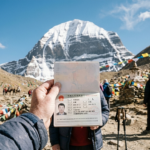
Visa for Mount Kailash Trip
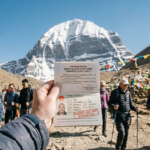
Age Limit for Mount Kailash Yatra
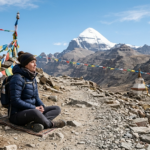
Mindful Trip to Mount Kailash