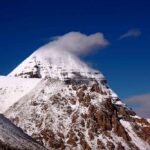


Best Time to Visit Mount Kailash
Mount Kailash, the sacred peak standing tall in the remote reaches of Tibet, is more than just a mountain — it’s a spiritual destination that draws pilgrims from around the world. Revered in Hinduism, Buddhism, Jainism, and Bon traditions, the Mount Kailash Yatra is a life-changing journey that demands careful planning, especially when it comes to timing. Understanding the best time to visit Mount Kailash can significantly enhance your experience, both spiritually and physically. In this comprehensive month-by-month weather and travel guide, we’ll help you choose the optimal time for your pilgrimage.
Why Timing Matters for the Mount Kailash Yatra
The high-altitude location of Mount Kailash (6,638 meters above sea level) and its surrounding terrain make weather conditions a key consideration for travel. Most of the Yatra involves long drives through the Tibetan plateau, high mountain passes, and a 52-km trek (Parikrama or Kora) around the mountain. The region experiences harsh winters and a short, limited travel season, making it vital to plan your trip during favorable months.
Month-by-Month Guide: Mount Kailash Weather & Travel Conditions
January – February: Extreme Winter (Not Recommended)
These months are the coldest in the Kailash region. Temperatures can plummet to -20°C or lower, with heavy snow blocking roads and mountain passes. Border crossings from Nepal to Tibet are often closed. Mount Kailash Yatra is not feasible during this time.
March – April: Early Spring (Challenging Conditions)
As temperatures begin to rise slightly, the snow starts melting in lower regions, but travel remains risky. Roads may still be icy and uncertain. Although Tibet opens up administratively by April, very few tour operators offer Mount Kailash tours until the weather stabilizes. Ideal only for seasoned adventurers.
May: Start of Yatra Season (Good Time to Visit)
May marks the beginning of the Kailash Yatra season. Temperatures become more manageable (5°C to 15°C during the day), and most routes become accessible. Lake Manasarovar begins to thaw, revealing its pristine beauty. May is also a spiritually significant month due to Buddha Purnima, attracting Buddhist pilgrims. Recommended for early-season travelers who prefer fewer crowds.
June: Pleasant Weather & Pilgrim Activity Increases (Highly Recommended)
June offers clear skies, moderate temperatures, and fully operational routes. It’s a great month to witness the religious vibrancy of the region without the challenges of monsoon. The average daytime temperature ranges from 10°C to 18°C. Ideal for all pilgrims, especially those sensitive to cold.
July: Warm Weather but Possibility of Rain (Moderately Good)
July sees slightly warmer temperatures (up to 20°C during the day), but also the start of the Tibetan monsoon. Rain is less intense than in Nepal or India but may still cause occasional landslides on the route to the border. Trekkers should be cautious of slippery trails during the Parikrama. Good for those who don’t mind a little rain and prefer lush green scenery.
August: Monsoon Peaks – Weather Unpredictable (Less Ideal)
August continues the monsoon trend, especially on the Nepal side. Roads from Kathmandu to the Tibet border (Rasuwagadhi) can be muddy and prone to landslides. Inside Tibet, rainfall is limited, but overcast skies can obscure mountain views. Not the best time, though Yatras do operate with safety precautions.
September: Post-Monsoon Beauty & Clear Skies (Highly Recommended)
September is one of the best months to visit Mount Kailash. The skies clear up, the air is crisp, and visibility is excellent. Temperatures remain comfortable during the day and cold but bearable at night. The landscapes are fresh after the rains, offering fantastic photographic opportunities. Ideal for trekking and spiritual reflection.
October: End of Travel Season (Still Good)
Early October is still a good time to visit, with crisp days and golden autumn views across the Tibetan plateau. However, temperatures start dropping rapidly by mid to late October, especially at night. Many guesthouses begin to shut down for winter. Recommended only for those who can manage colder weather.
November – December: Winter Returns (Not Advisable)
Travel becomes nearly impossible due to freezing temperatures, snow-blocked routes, and limited facilities. The border crossings may be restricted, and oxygen levels drop significantly. The Mount Kailash Yatra is officially closed during these months.
Spiritual Events & Dates to Consider
-
Saga Dawa Festival (Usually in May or June): This major Tibetan Buddhist festival celebrates Buddha’s birth, enlightenment, and death. Many pilgrims aim to do the Kailash Parikrama during this time.
-
Full Moon Parikramas: Many Hindus and Buddhists prefer doing the Kailash trek around full moon days, believing the energy is at its peak. Booking early is essential, as these dates fill up quickly.
Booking Tips: When to Reserve Your Mount Kailash Yatra
Since the travel window is narrow (May to October), it is strongly recommended to book your Mount Kailash Yatra 3–6 months in advance. Chinese visa processing, Tibet travel permits, and group coordination require time and planning. Full moon and Saga Dawa departures tend to get fully booked early in the year.
Final Thoughts: Choose the Right Time for a Transformative Experience
The best time to visit Mount Kailash depends on your personal preferences — whether you prioritize clear skies, religious festivals, or fewer crowds. For most travelers, May, June, and September offer the perfect balance of good weather, safe travel conditions, and spiritual energy. Whether you’re drawn by faith, adventure, or the mystique of the Himalayas, planning your trip during the ideal season will make your journey more comfortable and deeply meaningful.
Recent Posts
Mount Kailash Kora Distance and Difficulty
Where Is Mount Kailash Located?
Common Visa Mistakes for Mount Kailash Trip (2026)
Kailash Yatra Visa & Permit Processing Time Applying from Kathmandu
Required Permits for Mount Kailash Trip by Route
Do You Need a Visa for Mount Kailash Trip
Visa for Mount Kailash Trip
Age Limit for Mount Kailash Yatra
Mindful Trip to Mount Kailash