
Mindful Trip to Mount Kailash
A Sacred Journey of Awareness, Devotion, and Inner Transformation
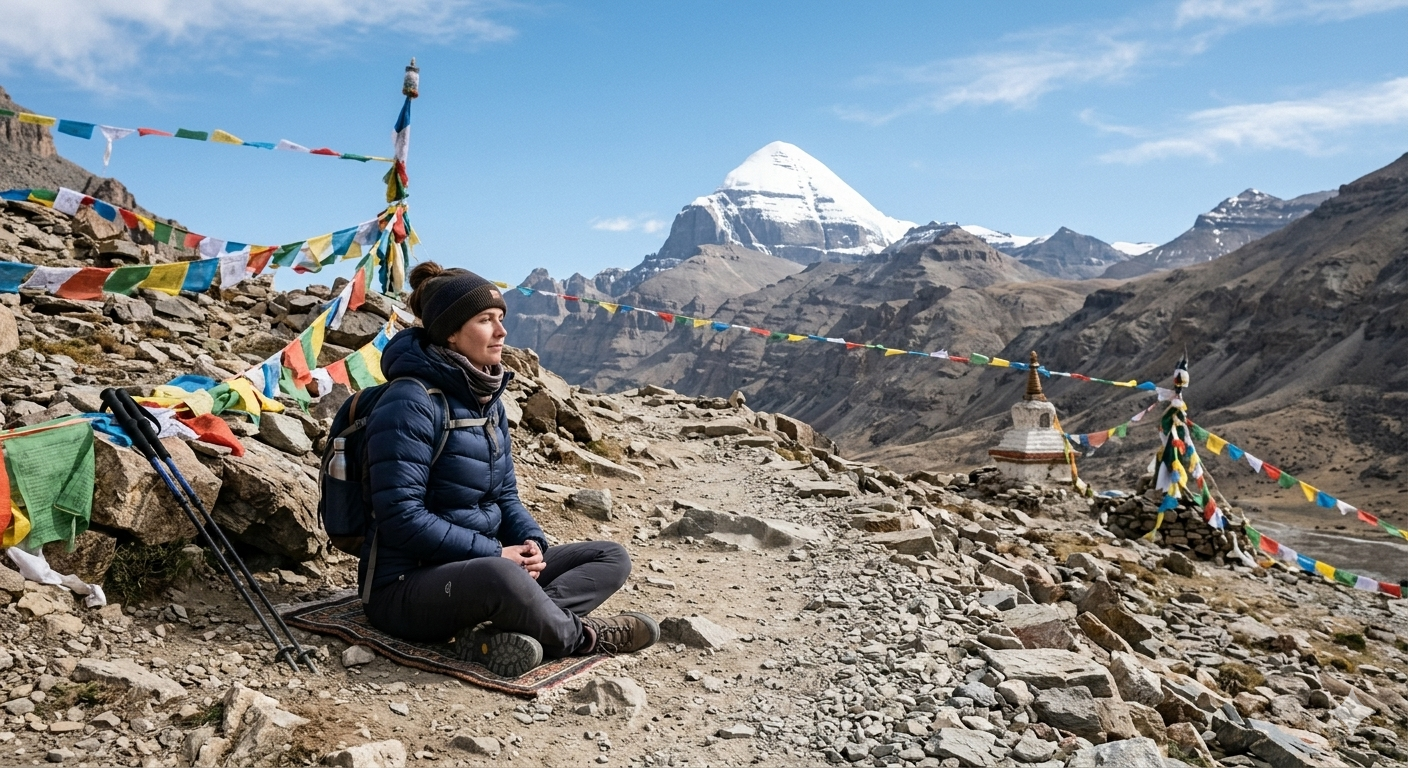
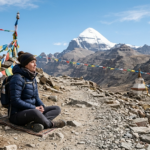
Mount Kailash rises in remote western Tibet, untouched by human footsteps, silent and eternal. It is not climbed, not conquered, and not claimed. For thousands of years, seekers from different faiths have traveled vast distances—not to reach its summit, but to walk around it in reverence. A mindful trip to Mount Kailash is not ordinary travel; it is a sacred pilgrimage that invites humility, awareness, and deep inner transformation.
In a world driven by speed and consumption, Mount Kailash calls for the opposite: stillness, surrender, and presence. Those who approach it mindfully often say the journey changes them—not because of what they see, but because of who they become along the way.
Mount Kailash: The Spiritual Center of the World
Mount Kailash is regarded as one of the most sacred places on Earth, revered across multiple spiritual traditions:
-
Hinduism: Mount Kailash is believed to be the abode of Lord Shiva, the cosmic yogi and destroyer of ignorance.
-
Buddhism: Known as Mount Meru, it represents the axis of the universe and a place of enlightenment.
-
Jainism: Kailash is associated with the liberation of the first Tirthankara, Rishabhadeva.
-
Bon religion: It is considered the spiritual center of ancient Tibetan beliefs.
This shared reverence makes the Mount Kailash pilgrimage unique. It is not bound by one religion but embraced as a universal symbol of truth, stillness, and ultimate reality.
Pilgrimage vs Tourism: Understanding the Kailash Journey
A mindful trip to Mount Kailash begins with understanding one essential truth: Kailash is not a tourist destination.
Tourism seeks comfort, achievement, and entertainment.
Pilgrimage seeks surrender, humility, and meaning.
Travelers who arrive at Kailash expecting luxury, excitement, or convenience often feel challenged. Those who arrive with intention, patience, and openness experience something far deeper. Conscious travel to Mount Kailash means allowing the journey to unfold without control—accepting discomfort as part of the teaching.
Preparing for a Mindful Trip to Mount Kailash
Inner Preparation
The most important preparation is not physical; it is mental and emotional.
-
Set a clear intention for your journey
-
Let go of expectations
-
Cultivate patience and acceptance
-
Practice silence and reflection before departure
Many pilgrims begin meditation or prayer weeks before the journey, aligning the mind with the sacred nature of the path.
Physical Preparation
Although the journey is spiritual, the body must be respected:
-
Gradual fitness preparation
-
Acclimatization awareness
-
Listening to your body without ego
Mindfulness means honoring limits, not forcing outcomes.
Mindfulness During the Kailash Parikrama (Kora)
The Kailash Parikrama (Kora) is a 52-kilometer circumambulation around the mountain, usually completed in three days. This walk is the heart of the spiritual journey to Mount Kailash.
Mindful walking during the Kora involves:
-
Walking slowly and consciously
-
Coordinating breath with movement
-
Observing thoughts without attachment
-
Maintaining silence where possible
Every step becomes a prayer. Every breath becomes an offering. The mountain does not respond to effort—it responds to surrender.
Challenges as Spiritual Teachers
High altitude, cold winds, fatigue, and thin air are not obstacles—they are teachers. The mindful Mount Kailash pilgrimage reveals how the mind reacts under pressure.
Moments of discomfort often bring:
-
Ego dissolution
-
Emotional release
-
Unexpected clarity
-
Deep humility
When resistance is dropped, the journey softens. Many pilgrims say the hardest moments become the most meaningful.
Respect, Silence, and Sacred Responsibility
Conscious travel to Mount Kailash requires deep respect:
-
Respect for local Tibetan culture
-
Respect for nature and fragile ecosystems
-
Respect for silence and sacred space
Avoid loud conversations, excessive photography, or casual behavior. This is not only respectful—it deepens your own experience. Silence allows the mountain to speak in ways words cannot.
How a Mindful Trip to Mount Kailash Transforms You
Pilgrims often return changed in subtle but profound ways:
-
Reduced attachment to material concerns
-
Greater patience and compassion
-
Inner stillness that remains long after return
-
A deeper understanding of impermanence
A mindful trip to Mount Kailash does not give answers. It dissolves unnecessary questions.
Conclusion: Walking Around the Unmovable
Mount Kailash stands unmoved as civilizations rise and fall. Pilgrims come and go, each carrying prayers, burdens, hopes, and silence. Walking around this sacred mountain is not about reaching somewhere; it is about returning to yourself.
When approached with mindfulness, humility, and awareness, the Mount Kailash pilgrimage becomes more than a journey across land. It becomes a journey inward—one that continues long after the path ends.
Travel slowly. Walk consciously. And let Mount Kailash remain what it has always been: A mirror for the awakened heart.
Recent Posts
Mount Kailash Kora Distance and Difficulty
Where Is Mount Kailash Located?
Common Visa Mistakes for Mount Kailash Trip
Kailash Yatra Permit Processing Time from Kathmandu
Required Permits for Mount Kailash Trip by Route
Do You Need a Visa for Mount Kailash Trip
Visa for Mount Kailash Trip
Age Limit for Mount Kailash Yatra
Mindful Trip to Mount Kailash