
Mount Kailash Tour Packing Checklist
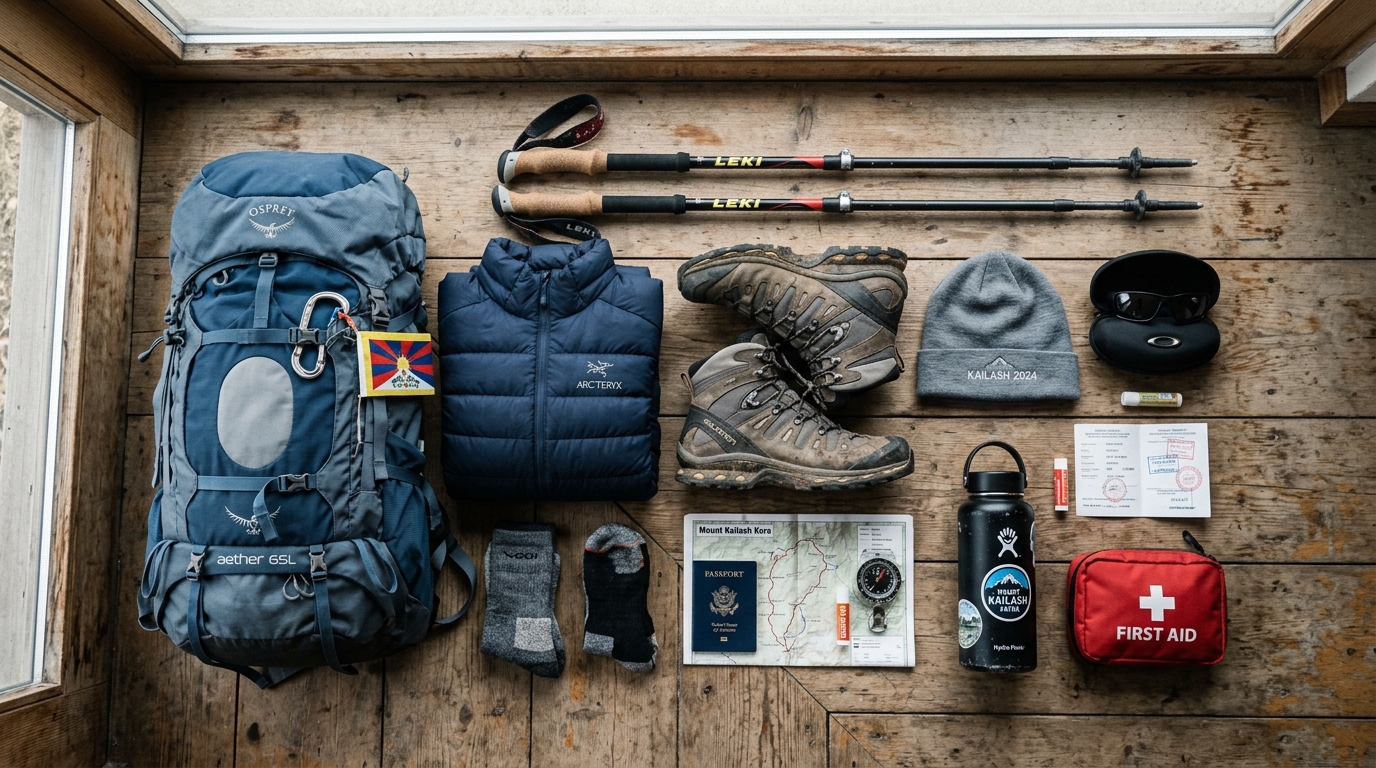
Mount Kailash Yatra is a journey of a lifetime. Revered across Hinduism, Buddhism, Jainism, and Bon, Mount Kailash is more than just a mountain – it’s a spiritual experience. But it’s also a high-altitude expedition that requires thoughtful preparation. Knowing what to pack can make a major difference in your comfort, safety, and overall experience.
Whether you’re undertaking the full Mount Kailash Parikrama or traveling to Lake Manasarovar, this guide offers a detailed breakdown of the top packing essentials for Mount Kailash Yatra, designed for both spiritual pilgrims and adventure trekkers.
Why Packing Right is Crucial for Mount Kailash Yatra
Mount Kailash lies in remote Western Tibet at an elevation of over 6,600 meters. While the Parikrama (Kora) reaches up to 5,645 meters at Dolma La Pass, you’ll be traveling through rugged terrain, facing cold winds, unpredictable weather, and basic accommodations.
Packing appropriately ensures you’re:
-
Warm and protected in high-altitude conditions
-
Able to manage health and hygiene on the go
-
Spiritually focused rather than physically distressed
This article provides a comprehensive Kailash Yatra packing checklist for a worry-free experience.
1. Clothing for High Altitude Weather
Layering is the key to comfort during the Yatra. The temperatures vary drastically from day to night.
Base Layers:
-
Thermal tops and bottoms (2 pairs)
-
Moisture-wicking t-shirts
Insulating Layers:
-
Fleece or down jacket
-
Woolen sweaters
Outer Layers:
-
Waterproof and windproof jacket
-
Waterproof trekking pants
Other Clothing:
-
Lightweight trekking pants
-
Full-sleeve shirts
-
Innerwear (quick-dry)
-
Woolen socks (4–5 pairs)
-
Sun hat or cap
-
Woolen gloves and fleece-lined cap
-
Scarf or buff for dust protection
-
Warm shawl or stole for rituals
Tip: Use compression packing cubes to organize and save space.
2. Footwear: Comfort and Durability Matter
Trekking Boots:
-
High-ankle, waterproof, and well-broken-in boots are essential for the Parikrama.
Camp Shoes:
-
Lightweight sneakers or sandals for relaxing in the evening or during rest stops.
Socks:
-
Wool or thermal trekking socks with moisture control.
Bonus: Anti-blister balm or powder helps prevent friction injuries.
3. Sleeping Essentials
Accommodations on the Tibet side are basic, often with limited heating.
-
Warm sleeping bag (rated for -10°C to -15°C)
-
Sleeping liner for added warmth and hygiene
-
Compact travel pillow (optional)
-
Blanket or shawl for layering
Note: Some guesthouses offer blankets, but bringing your own gear ensures comfort and hygiene.
4. Personal Health & Hygiene Kit
With limited facilities en route, a personal hygiene kit is non-negotiable.
Toiletries:
-
Toothbrush, toothpaste, and floss
-
Biodegradable soap and shampoo
-
Toilet paper rolls and wet wipes
-
Hand sanitizer (alcohol-based)
-
Towel (quick-dry travel towel)
Health Items:
-
Personal medications (with prescription)
-
Altitude sickness pills (Diamox – consult your doctor)
-
Painkillers (Paracetamol, Ibuprofen)
-
Antiseptic cream and bandages
-
ORS (oral rehydration salts)
-
Lip balm with SPF
-
Sunscreen (SPF 50+)
-
Cold & cough tablets
-
Mosquito/bug repellent (for Kathmandu/Syabrubesi areas)
Pro Tip: Keep medicines in waterproof pouches and label them clearly.
5. Spiritual Items and Ritual Supplies
Most pilgrims take time at Lake Manasarovar for rituals and meditation.
-
Prayer beads (mala)
-
Small idol or photo of deity
-
Incense sticks (if permitted)
-
Lightweight yoga mat or cloth
-
Scriptures or religious books
Reminder: Respect local customs and carry only what is allowed across borders.
6. Electronics and Gadgets
While the area is remote, some essentials will help you capture and manage your journey.
-
Camera or smartphone with extra memory
-
Power bank (10,000–20,000 mAh)
-
Universal travel adapter
-
Flashlight or headlamp (with extra batteries)
-
Portable solar charger (optional but useful)
Note: Power may be limited in Tibet, so charge at every opportunity.
7. Documents and Money Essentials
Make multiple copies of critical documents.
-
Passport and Chinese group visa
-
Tibet travel permit and Kailash entry permit (provided by your tour operator)
-
Four passport-sized photos
-
Travel insurance documents
-
Local currency (CNY – Chinese Yuan)
-
Small wallet or pouch for daily use
Tip: Keep original documents and copies in separate bags for safety.
8. Trekking Accessories
Support your body and enhance comfort on the trail.
-
Trekking poles (essential for Dolma La Pass)
-
Water bottles or hydration bladder (2–3 liters/day)
-
Water purification tablets or filters
-
Small daypack (for personal items during Parikrama)
-
Duffel bag or backpack for main luggage
-
Rain cover for bags
Add-On: Lightweight gaiters for snow or dusty trails.
Best Time to Use This Packing List
The ideal travel period for Kailash Yatra is May to mid-September. This list is tailored to suit that season, covering both sunny and snow-prone days, especially at higher passes like Dolma La.
Final Thoughts: Pack with Purpose
The Mount Kailash Yatra is not just another trek—it’s a soul-stirring spiritual pursuit. By packing smartly, you prepare not only for the physical challenges but also to be fully present for the sacred energy of this holy site.
Whether you’re traveling as a pilgrim or an adventure seeker, your packing checklist is the foundation of a safe, meaningful, and successful Yatra. Start early, test your gear, and travel with reverence.
Ready to Begin Your Kailash Journey?
We offer expertly organized Mount Kailash Yatra tours, including group join-in packages, luxury options, and custom itineraries. Our team ensures you’re supported from Kathmandu to Tibet and back—with permits, guides, logistics, and spiritual guidance.
Recent Posts
Mount Kailash Kora Distance and Difficulty
Where Is Mount Kailash Located?
Common Visa Mistakes for Mount Kailash Trip
Kailash Yatra Permit Processing Time from Kathmandu
Required Permits for Mount Kailash Trip by Route
Do You Need a Visa for Mount Kailash Trip
Visa for Mount Kailash Trip
Age Limit for Mount Kailash Yatra
Mindful Trip to Mount Kailash