
How to Prepare Physically and Mentally for the Sacred Journey to Mount Kailash
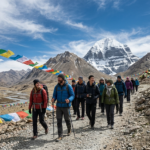
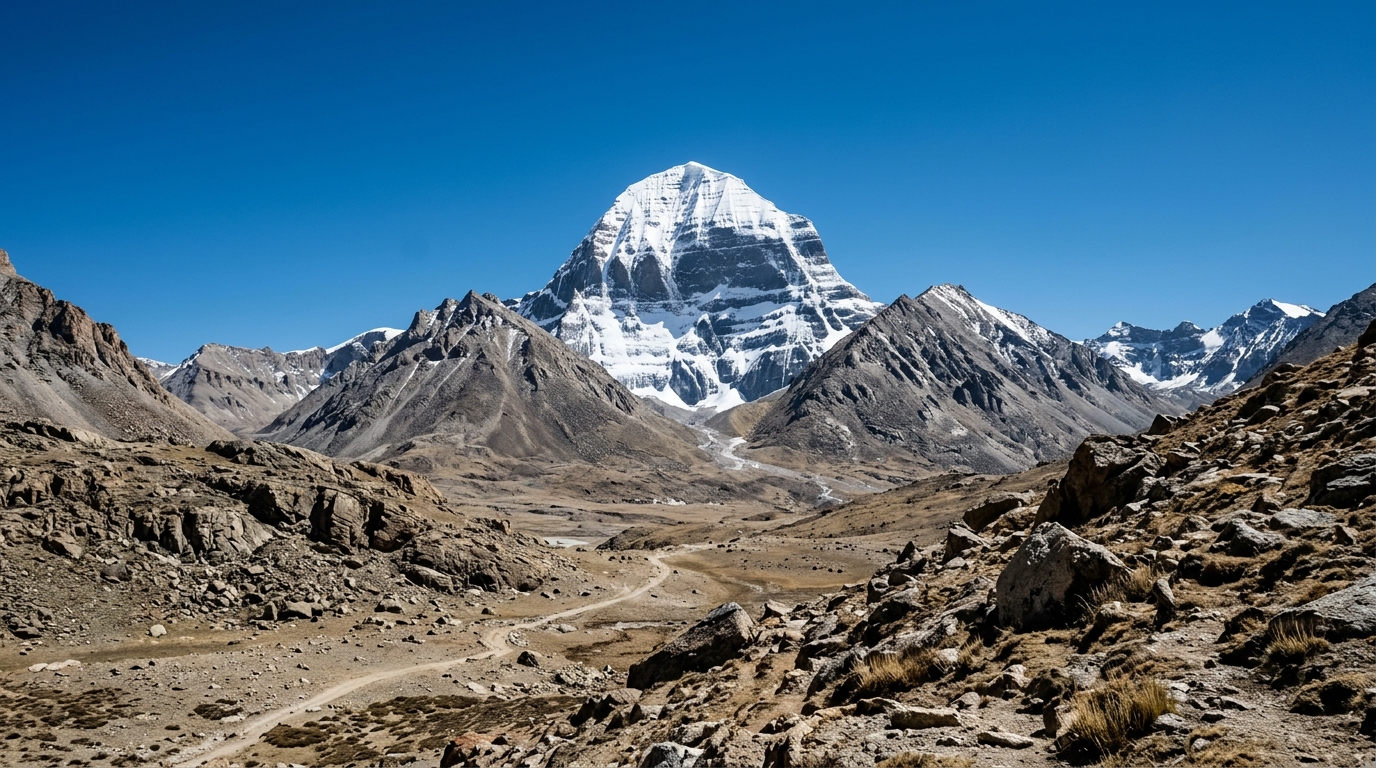
The Kailash Mansarovar Yatra is not just a pilgrimage; it’s a physically demanding and spiritually transformative journey. Located in the remote western region of Tibet at an altitude of over 4,500 meters (15,000 feet), the trek around Mount Kailash—known as the Kailash Parikrama or Kora—is a challenging yet highly rewarding experience. Pilgrims from around the world, including seasoned trekkers and spiritual seekers, must prepare thoroughly to safely and successfully complete this sacred path.
In this article, we’ll guide you through the health and fitness preparation required for the Mount Kailash trip. From high-altitude fitness tips to mental resilience and diet, this comprehensive guide will help you get ready for one of the most profound journeys of your life.
Why Preparation Matters for the Kailash Mansarovar Yatra
Mount Kailash stands at 6,638 meters, and while the Parikrama doesn’t summit the mountain, the route reaches as high as 5,645 meters (18,520 ft) at Dolma La Pass—one of the highest trekking passes in the world. Add to this the unpredictable weather, rugged terrain, and thin air, and it’s clear that physical and mental readiness is crucial.
Proper preparation not only enhances your chances of completing the Parikrama but also ensures you can focus on the spiritual experience without unnecessary physical suffering.
Physical Fitness for Kailash Mansarovar Yatra
1. Cardiovascular Endurance
The trek involves walking 15–20 km a day at high altitudes. A strong heart and lungs are essential. Start training 2–3 months before your trip with:
-
Brisk walking or jogging (30–60 minutes daily)
-
Stair climbing or hill walking
-
Cycling or swimming
-
Using a treadmill with an incline
2. Leg and Core Strength
Your legs carry you through steep ascents and descents. Strength training for your legs and core will improve balance and stamina:
-
Squats and lunges
-
Planks and bridges
-
Step-ups with weight
-
Yoga poses like Chair Pose (Utkatasana) and Warrior Series
3. Flexibility and Mobility
Flexibility reduces the chance of injury on uneven ground. Daily stretching or yoga (e.g., Sun Salutations) is recommended.
4. Breathing Exercises (Pranayama)
Since oxygen levels are low at high altitudes, lung capacity and controlled breathing are vital:
-
Practice Anulom Vilom (alternate nostril breathing)
-
Bhastrika and Kapalbhati to strengthen lung function
-
Gradually increase your breath-holding time
Acclimatization and Altitude Sickness
Understanding AMS (Acute Mountain Sickness)
AMS symptoms include headache, nausea, dizziness, and shortness of breath. Even fit individuals can experience it. Prepare by:
-
Training at higher elevations if possible
-
Staying hydrated (3–4 liters daily)
-
Avoiding alcohol and caffeine before and during the Yatra
-
Taking acclimatization days seriously (especially in Saga and Kerung)
Your tour operator may recommend Diamox or other medications. Always consult your doctor before taking them.
Mental and Spiritual Preparation
1. Mental Resilience
Long hours of trekking, harsh climates, and minimal comforts can test your patience. Build mental toughness by:
-
Practicing meditation
-
Visualizing the trek
-
Reading spiritual texts or listening to inspirational talks
-
Journaling your intention and expectations
2. Managing Expectations
This journey is not a luxury trip. Accommodations are basic, weather is unpredictable, and the terrain is tough. Prepare to embrace discomfort as part of the spiritual cleansing.
3. Inner Motivation
Stay connected to your purpose for undertaking the Yatra—be it spiritual growth, divine connection, or self-discovery. Your inner strength will often pull you through where the body hesitates.
Diet and Nutrition Before the Yatra
1. Focus on a Balanced Diet
Fuel your body with the right nutrients:
-
Lean proteins (lentils, eggs, lean meat)
-
Complex carbohydrates (whole grains, brown rice)
-
Good fats (nuts, seeds, olive oil)
-
Hydrating foods (fruits, vegetables)
2. Avoid Excess Sugar, Salt, and Processed Foods
Clean eating will boost your immune system and energy levels.
3. Hydration
Start drinking plenty of water weeks before your journey. Add electrolytes during workouts.
Essential Medical Check-Ups & Documents
Medical Clearance
Consult a doctor for a full check-up, especially if you have heart, lung, or joint issues. Get written clearance if required by your tour operator.
Vaccinations
Check for any recommended or mandatory vaccinations (like Yellow Fever or Hepatitis A/B depending on your travel history).
Travel Insurance
Make sure your insurance covers high-altitude trekking, emergency evacuation, and Tibet travel.
Packing Smart: Health Essentials
-
Personal medications and altitude sickness tablets
-
First-aid kit (bandages, antiseptics, painkillers)
-
Thermals, gloves, hat, and layered clothing
-
Trekking poles for balance
-
Sunglasses and sunscreen
-
Reusable water bottles and purification tablets
When to Start Training
Begin your preparation 8–12 weeks before your departure date. This gives you time to gradually build stamina and strength without injury. Those new to trekking or over 50 should start even earlier and may consider hiring a personal trainer familiar with high-altitude training.
Final Thoughts: Prepare with Devotion
The Kailash Mansarovar Yatra is a once-in-a-lifetime journey. While your spirit may be ready, your body and mind need intentional preparation to carry you through the challenges. With the right fitness, diet, mindset, and guidance, your Yatra will be not just successful, but deeply transformational.
Recent Posts
Mount Kailash Kora Distance and Difficulty
Where Is Mount Kailash Located?
Common Visa Mistakes for Mount Kailash Trip
Kailash Yatra Permit Processing Time from Kathmandu
Required Permits for Mount Kailash Trip by Route
Do You Need a Visa for Mount Kailash Trip
Visa for Mount Kailash Trip
Age Limit for Mount Kailash Yatra
Mindful Trip to Mount Kailash