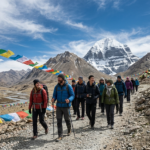

Mount Kailash Tour from Malaysia
Dreaming of the most sacred pilgrimage on Earth? The Mount Kailash tour from Malaysia is a deeply meaningful journey that brings together four of Asia’s greatest faiths – Hindu, Buddhist, Jain and Bon – at a single mountain in western Tibet. This complete guide covers everything a Malaysian traveller needs to plan the 2026 yatra: flights from Kuala Lumpur, Tibet permits, the full 14-day itinerary, altitude preparation, costs and the best season to travel.
1. Flights from Kuala Lumpur to Kathmandu
The Mount Kailash tour for Malaysians begins with a connecting flight from Kuala Lumpur International Airport (KUL) to Kathmandu Tribhuvan International Airport (KTM) in Nepal. Kathmandu is the assembly point for all Tibet-bound pilgrimages – you will spend one to two days here for permit processing and acclimatization before beginning the overland journey to Tibet.
| Airline | Route | Approx. Duration | Notes |
|---|---|---|---|
| Malaysia Airlines | KUL – KTM (via KL hub) | 7 – 9 hours | Direct connection or 1 stop |
| AirAsia | KUL – KTM | 7 – 10 hours | Budget option, 1 stop typical |
| Singapore Airlines | KUL – SIN – KTM | 8 – 10 hours | Via Singapore Changi |
| Batik Air | KUL – KTM | 7 – 9 hours | Budget carrier, 1 stop |
| IndiGo / Air India | KUL – DEL/BOM – KTM | 9 – 12 hours | Via Indian gateway cities |
2. Tibet Permit and Visa Requirements for Malaysians
Mount Kailash is located in the Tibet Autonomous Region of China. No traveller – regardless of nationality – can enter Tibet independently. All visitors including Malaysians require the following documents, all of which are arranged by your tour operator from Kathmandu.
Chinese Group Visa
Applied for in Kathmandu only – not available from the Chinese Embassy in Malaysia for Tibet travel. Your tour operator submits a group application on behalf of all travellers. Processing takes approximately 10 to 15 working days. The visa is valid solely for the Tibet itinerary and does not permit independent travel within mainland China.
Tibet Travel Permit (TTP)
Issued by the Tibet Tourism Bureau (TTB). Mandatory for all foreign visitors to Tibet. Applied for by your registered Tibetan tour operator simultaneously with the group visa. You will not handle this permit directly – it is submitted at checkpoints along the route.
Alien Travel Permit (ATP)
Required for travel to restricted areas beyond Lhasa, which includes western Tibet and the Mount Kailash zone. Also arranged by the tour operator and submitted at police checkpoints.
Military Area Entry Permit
Required specifically for the Mount Kailash and Lake Manasarovar area due to the proximity of the Chinese-Indian border. Arranged by your operator with the relevant military authorities.
Important: Individual travel to Mount Kailash is not permitted for any foreign national. You must join a group tour organised by a licensed travel agency registered in Nepal or Tibet. Mount Kailash Trip handles all four permit categories as part of the tour package.
3. 14-Day Mount Kailash Tour Itinerary (from Kathmandu)
The standard Mount Kailash Overland Tour runs for 14 days from Kathmandu. Add your two travel days from Kuala Lumpur (one each way) and the total trip from Malaysia is 16 to 18 days. Below is the day-by-day itinerary for the ground tour:
Day 1: Arrival in Kathmandu (1,400m)
Airport transfer, hotel check-in. Rest and acclimatization. Permit paperwork submitted by your guide.
Day 2: Kathmandu Sightseeing and Permit Processing
Visit Pashupatinath Temple, Boudhanath Stupa and Swayambhunath. Permits continue processing.
Day 3: Drive Kathmandu to Syabrubesi / Rasuwagadhi (Nepal-China Border)
Approximately 7 to 8-hour scenic drive along the Trishuli River corridor.
Day 4: Cross into Tibet – Arrive Kerung (2,840m)
Border crossing at Rasuwagadhi-Kerung. Check in to guesthouse. Begin acclimatization.
Day 5: Acclimatization Day in Kerung
Rest. Short morning walk to aid altitude adjustment. Local monastery visit.
Day 6: Kerung Acclimatization / Optional Short Excursion
Second acclimatization day. This is the critical rest period before ascending to higher elevations in western Tibet.
Day 7: Drive Kerung to Saga (4,640m)
Full-day scenic drive across the Tibetan plateau. First night at high altitude.
Day 8: Drive Saga to Lake Manasarovar (4,590m)
Arrive at one of the world’s highest freshwater lakes, sacred to four religions. Sunset over the lake with Mount Kailash on the northern horizon.
Day 9: Lake Manasarovar Puja, Havan and Holy Dip
Sacred rituals at the lakeside. Hindu puja and havan fire ceremony. Ritual bathing in Manasarovar waters. Drive to Darchen – the base village of Mount Kailash (4,575m).
Day 10: Kailash Parikrama Day 1 – Darchen to Dirapuk Monastery (4,920m)
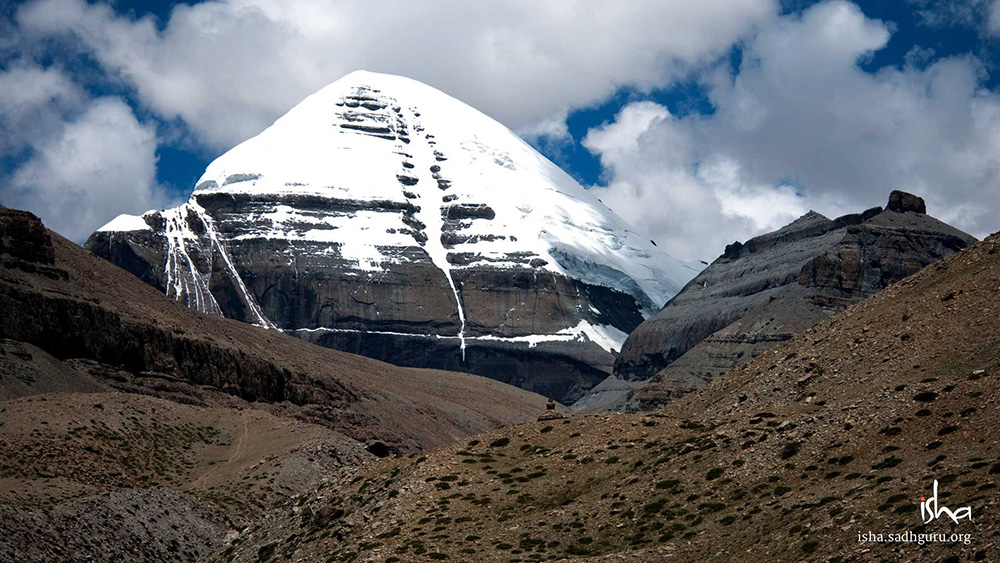
Begin the sacred 52 km circumambulation of Mount Kailash. Walk approximately 13 km. First close views of the North Face of Kailash from Dirapuk.
Day 11: Kailash Parikrama Day 2 – Dirapuk to Zuthulphuk via Dolma La Pass (5,645m)
The most physically demanding day. Ascend to Dolma La Pass – the highest point of the kora at 5,645m. Descend to Zuthulphuk Monastery (4,790m).
Day 12: Kailash Parikrama Day 3 – Zuthulphuk to Darchen
Complete the final section of the kora (approximately 14 km) and return to Darchen. The parikrama is complete.
Day 13: Drive Darchen to Saga
Begin the return journey east across the Tibetan plateau.
Day 14: Drive Saga to Kerung – Cross Nepal Border – Arrive Kathmandu
Return to Nepal via the Rasuwagadhi border crossing. Drive to Kathmandu. Tour ends.
* Itinerary is subject to change due to weather, road conditions and permit availability. Mount Kailash Trip provides a customized schedule on booking confirmation.
4. The Kailash Parikrama (Kora) Explained
The Kailash Parikrama – also called the Kailash Kora – is the 52 km circumambulation of Mount Kailash completed over three days. It is considered the most sacred act a pilgrim can perform at Kailash, and completing it is believed in Hindu tradition to wash away the sins of a lifetime.
| Day | Route | Distance | Max Altitude | Key Point |
|---|---|---|---|---|
| Day 1 | Darchen to Dirapuk Monastery | ~13 km | 4,920m | First full view of the North Face of Kailash |
| Day 2 | Dirapuk to Zuthulphuk via Dolma La Pass | ~22 km | 5,645m | Dolma La Pass – the spiritual and physical summit |
| Day 3 | Zuthulphuk to Darchen | ~14 km | 4,790m | Gauri Kund lake and completion of the kora |
5. Tour Highlights
| Highlight | What Makes It Special |
|---|---|
| Mount Kailash North Face | The iconic view from Dirapuk – the black pyramid of Kailash rising above the moraine, revered as the centre of the universe in four religions |
| Lake Manasarovar (4,590m) | One of the highest freshwater lakes in the world. The ritual morning bath is considered the most purifying act of the yatra for Hindu pilgrims. The lake’s turquoise clarity surrounded by snow peaks is extraordinary. |
| Dolma La Pass (5,645m) | The highest point of the kora, named after the Tibetan goddess Tara (Dolma). Reaching it is the emotional summit of the pilgrimage – most pilgrims experience intense emotion at this point regardless of faith. |
| Dirapuk Monastery | Ancient monastery built on the cliff face directly facing the North Face of Kailash. Night here gives a clear view of the mountain in early morning light. |
| Kerung and the Tibetan Plateau | The overland drive from Kerung to Saga crosses the world’s highest plateau – vast, silent, and unlike anywhere else. Yak herds, nomad camps, turquoise rivers and distant snow ranges. |
| Puja and Havan at Manasarovar | The lakeside fire ceremony performed at sunrise or sunset is a deeply moving ritual for Hindu pilgrims. The mountain of Kailash is visible to the north across the lake during the ceremony. |
6. Best Season for the Mount Kailash Tour from Malaysia
| Month | Conditions | Status |
|---|---|---|
| January – February | Heavy snow. Dolma La Pass and plateau roads frequently blocked. Extreme cold (-20C at altitude). | Avoid |
| March – April | Snow clearing. Roads opening. Cold but improving. Some early departures possible late April. | Not Recommended |
| May – June | Excellent. Saga Dawa festival (most auspicious month) typically falls in May or June. Moderate temperatures. Routes fully open. | Best Season |
| July – August | Peak season. Warm, trails clear. Some afternoon rain on lower sections. Kailash itself is above rain shadow. | Best Season |
| September | Good conditions continuing. Post-monsoon clarity. Fewer pilgrims than July-August peak. | Good |
| October | Late season. Possible early snow on Dolma La from mid-October. Temperatures dropping. | Possible |
| November – December | Routes closing due to snow and ice. Tour season ends. | Avoid |
7. Mount Kailash Tour Cost from Malaysia – 2027 Estimate
| Cost Component | Approximate Range (USD) | Notes |
|---|---|---|
| KUL – KTM – KUL International Flights | USD 400 – 800 | Varies by airline, season and advance booking. AirAsia typically cheapest; Malaysia Airlines most direct. |
| Ground Tour Package (KTM to KTM, 14 days) | USD 2,200 – 3,500 | Includes permits, accommodation, meals, guide, transport. Price decreases with larger group. |
| Tibet Permits (all 4 categories) | Included in package | Chinese Group Visa, TTP, ATP and Military Permit all covered by Mount Kailash Trip |
| Kathmandu Pre-Tour (2 nights hotel) | USD 80 – 200 | Included in package or bookable separately |
| Travel Insurance (high-altitude cover) | USD 100 – 200 | Mandatory. Must cover trek to 6,000m altitude and emergency evacuation. |
| Personal Expenses (tips, water, souvenirs) | USD 150 – 300 | Budget approximately USD 10-15 per day for extras on the trail |
| Total Estimated Cost per Person | USD 2,930 – 5,000 | Depending on group size, airline and accommodation standard |
* All prices are estimates for 2026 planning purposes. Contact Mount Kailash Trip for confirmed 2026 package pricing and available group departure dates.
8. What to Pack for the Mount Kailash Yatra
Malaysia’s tropical climate is the opposite of the conditions at Kailash. Most Malaysian travellers need to purchase or rent specific cold-weather gear before or in Kathmandu. Thamel in Kathmandu has dozens of trekking gear shops where quality equipment can be rented or purchased at reasonable prices.
Clothing and Gear
- Thermal base layers (top and bottom, 2 sets)
- Insulating mid-layer (fleece or down jacket)
- Waterproof and windproof outer shell jacket
- Waterproof trekking trousers
- Warm hat and balaclava
- Insulating gloves (inner and outer)
- Warm hiking socks (4-5 pairs, merino wool ideal)
- Trekking boots (waterproof, ankle support)
- Trekking poles (highly recommended for Dolma La descent)
- Sleeping bag rated to -15 degrees Celsius
- UV-protective sunglasses (high-altitude glare is intense)
- High-SPF sunscreen and lip balm
Health and Documents
- Diamox (acetazolamide) – altitude sickness prevention, get prescription before travel
- Personal medications with extra supply
- First aid kit (blister treatment, ibuprofen, rehydration salts)
- Pulse oximeter (to monitor blood oxygen at altitude)
- Original passport (required at checkpoints)
- 6 passport-sized photographs (for permits)
- Copies of all permits and travel insurance
- Small amount of USD cash and Chinese Yuan (CNY)
- Reusable water bottle (plastic waste is a serious issue on the kora)
- High-energy snacks (Milo, dates, nuts – Malaysian favourites travel well)
- Portable power bank (limited charging on the route)
- Headlamp with spare batteries
9. Altitude Preparation for Malaysian Travellers
This is the most critical preparation topic for Malaysians. Kuala Lumpur sits at 68m above sea level. The Kailash Parikrama reaches 5,645m at Dolma La Pass – an altitude difference of over 5,500m. Altitude sickness (Acute Mountain Sickness or AMS) is the primary health risk on this tour and can affect anyone regardless of age or fitness level.
Before You Travel
- Begin cardio training 4 to 6 weeks before departure – daily stair climbing, walking with a loaded backpack, cycling
- Consult your doctor about Diamox (acetazolamide) – the standard preventive medication for AMS. Begin taking it 2 days before your first high-altitude day
- If possible, do a trial acclimatization hike at moderate altitude (Cameron Highlands at 1,800m in Malaysia is a good starting point)
- Avoid alcohol for at least 1 week before and during the high-altitude sections
- Ensure your travel insurance explicitly covers altitude trekking above 5,000m and emergency helicopter evacuation
On the Tour
- The itinerary builds in 2 acclimatization days at Kerung (2,840m) – do not skip or rush these days
- Drink 3 to 4 litres of water per day at altitude (more than you feel you need)
- Walk slowly – the Tibetan phrase “Slowly, slowly” applies literally to altitude trekking
- Inform your guide immediately if you experience persistent headache, nausea, dizziness or shortness of breath at rest
- Descent is the fastest treatment for serious AMS – your guide has authority to arrange descent if needed
- The itinerary’s gradient of altitude gain is specifically designed to minimise AMS risk. Follow it without modification
10. Why Book with a Specialist Mount Kailash Operator
The Mount Kailash tour is not a self-organized trip. Tibet’s permit system, the overland logistics across one of the world’s most remote plateaus, and the genuine altitude health risks require experienced, licensed management. Here is what a specialist operator provides that cannot be replicated independently:
| What We Handle | Why It Matters for Malaysians |
|---|---|
| All 4 Tibet permit categories | Cannot be obtained by individuals. The Chinese Group Visa must be applied for in Kathmandu by a registered operator – not from Malaysia. Errors or delays in permits mean no tour. |
| Experienced English-speaking guide | Your guide knows the signs of AMS, the road conditions, the checkpoint procedures and the daily logistics. They have done this route many times. Your safety depends on their knowledge. |
| Reliable 4WD overland transport | The route from Kerung to Kailash covers remote Tibetan plateau roads. Breakdowns are a real risk. We operate dependable vehicles with experienced drivers. |
| Accommodation booking throughout | Accommodation in western Tibet is limited. Without advance booking, options disappear – particularly during Saga Dawa festival. |
| Emergency backup plan | Medical emergency protocols, oxygen cylinders carried on tour, contact with evacuation services, and 24/7 communication with our Kathmandu office. |
| Group joining option | Solo Malaysian travellers can join an existing group departure, reducing cost and creating a shared pilgrimage experience. |
Recent Posts
Mount Kailash Kora Distance and Difficulty
Where Is Mount Kailash Located?
Common Visa Mistakes for Mount Kailash Trip
Kailash Yatra Permit Processing Time from Kathmandu
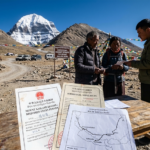
Required Permits for Mount Kailash Trip by Route
Do You Need a Visa for Mount Kailash Trip
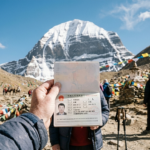
Visa for Mount Kailash Trip
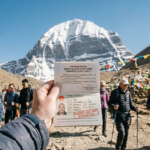
Age Limit for Mount Kailash Yatra
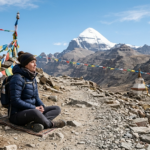
Mindful Trip to Mount Kailash