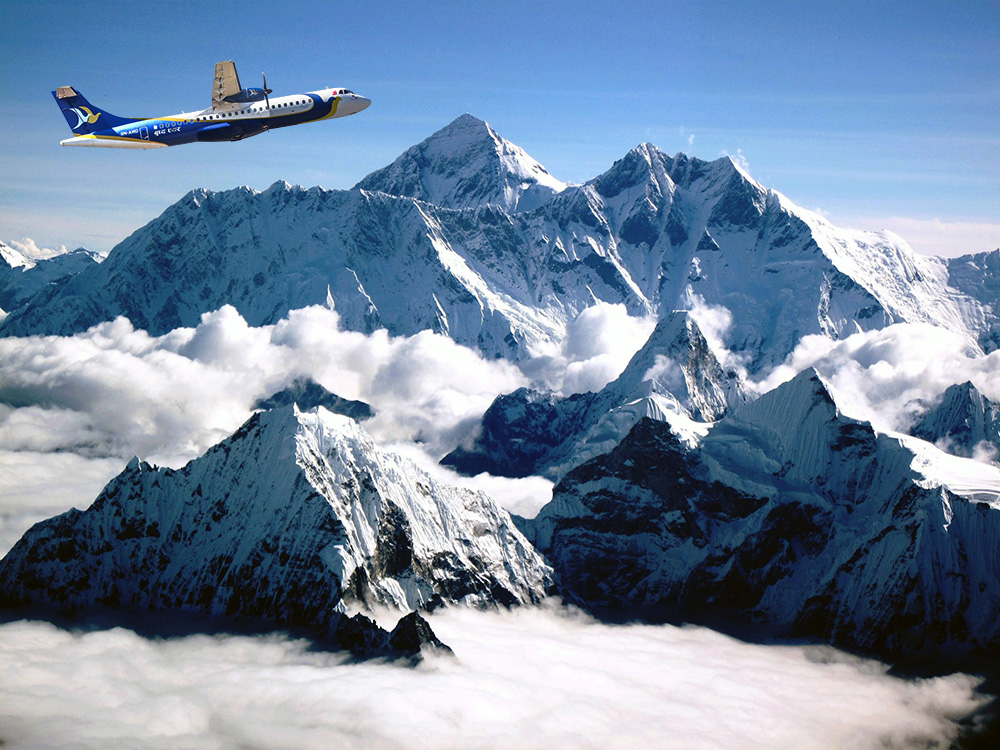

Mount Kailash Trip for Seniors
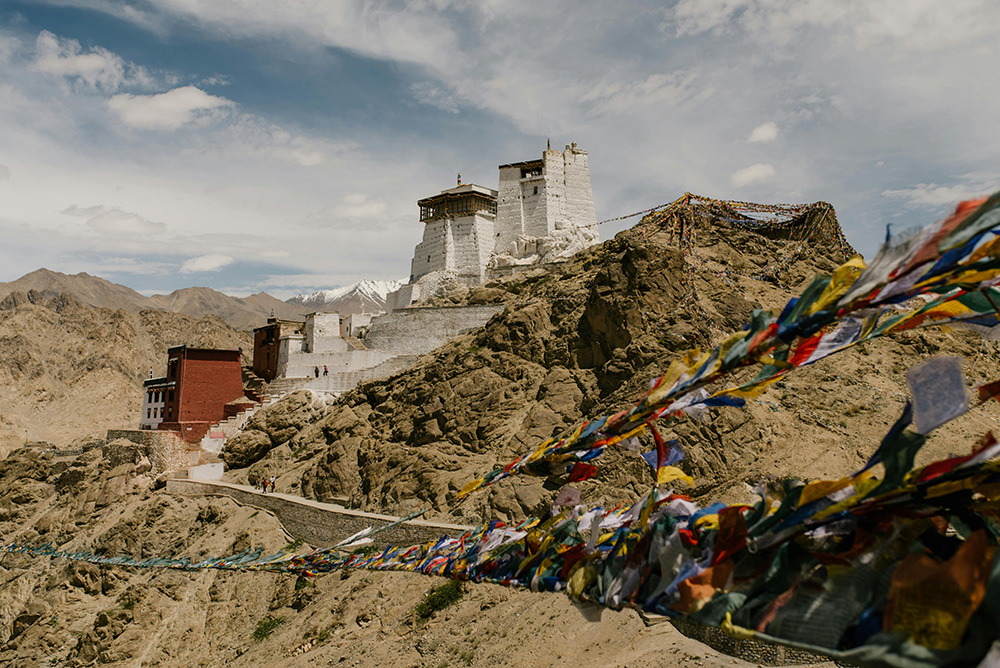

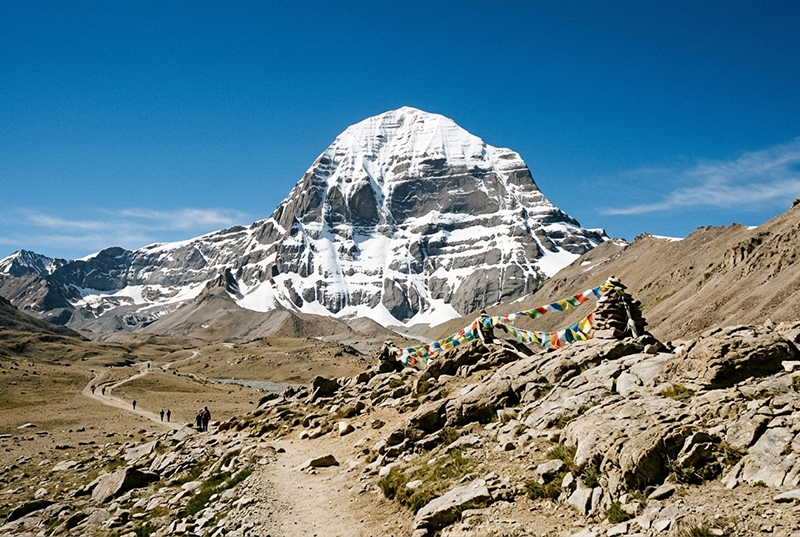
Discover the peace and divine beauty of the Himalayas with our specially designed Mount Kailash Trip for Seniors – a journey that honors both spiritual aspiration and the need for comfort and care. This unique pilgrimage experience allows senior travelers to explore the sacred landscape of Mount Kailash and Lake Manasarovar at a gentle pace, with full support every step of the way.
The Mount Kailash Trip for Seniors is built around a truth that most general Kailash tours ignore: the majority of people who most want to reach Kailash are over 60. This pilgrimage has been a lifelong aspiration for millions of Hindu, Buddhist, Jain, and Bon devotees. Age is not a barrier to completing it — inadequate preparation and the wrong tour structure are.
This 14-day Kailash Yatra for elderly pilgrims is designed from the ground up for senior travelers: a paced itinerary with two dedicated acclimatization days, daily health monitoring with pulse oximeters from Day 4, enhanced oxygen support, full horse and porter availability for the Parikrama, special dietary arrangements, an experienced guide who understands the physical and emotional needs of older pilgrims, and flexible Parikrama options that ensure every senior participant receives the full spiritual darshan of Mount Kailash and Lake Manasarovar regardless of what their body can manage on any given day. We have taken pilgrims in their 70s and 80s through this journey. The oldest was 82. He said it was the greatest thing he had ever done.
Is the Mount Kailash Yatra Possible for Senior Citizens?
The honest answer is yes, for most seniors in stable health, with the right preparation and the right operator. Mount Kailash is not technically a trekking destination. There is no summit attempt, no technical terrain, no climbing equipment required. The Kailash Parikrama is a 53-kilometre circumambulation at altitude, completed over three days, with horse and porter support available throughout. The main challenges are altitude and driving endurance, not physical athleticism.
Altitude is the variable that matters most, and it is managed through the itinerary, not through fitness. Our senior Kailash tour builds in two acclimatization days — an overnight at Kyirong (2,800 m) and a full rest day at Saga (4,500 m) — before any further ascent. This staged altitude gain, combined with daily health monitoring via pulse oximeters, means that seniors arrive at Lake Manasarovar and Darchen in the best possible physiological condition. The tour does not push altitude gains on a schedule that suits young, fit travelers. It moves at the pace of its most important participants.
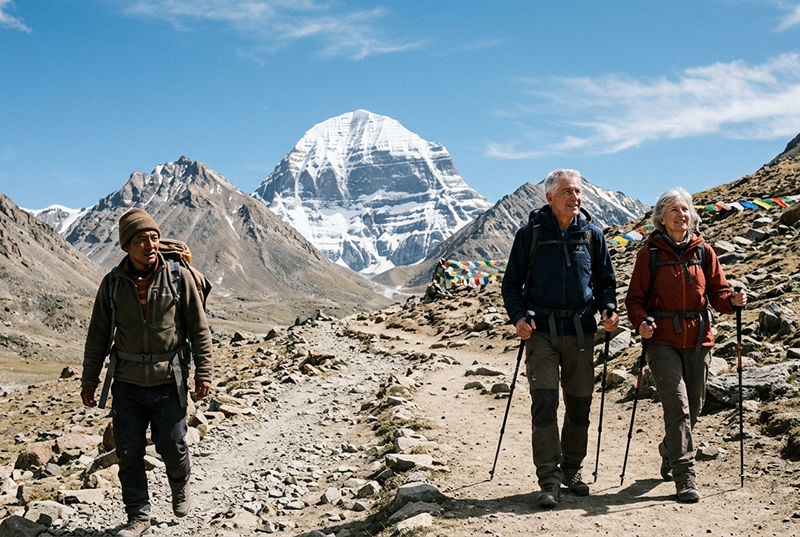
We have guided pilgrims aged 60, 65, 70, 75, and into their 80s through this journey. The common factor is not athletic ability — it is intention, preparation, and the right support structure. One 78-year-old pilgrim from Rajasthan completed the full 3-day Kora on horseback. He said it was the most complete moment of his life. Age does not prevent the Kailash Yatra. Age, for many pilgrims, is precisely why it must happen now.
Why Senior Pilgrims Deserve a Dedicated Kailash Tour — Not a Modified Standard Package
Most Kailash tour operators offer one standard itinerary and add a note saying ‘suitable for seniors with horse support’. That is not a senior tour. A genuine senior Kailash tour is designed differently from the start — slower altitude gain, more rest, earlier daily starts before fatigue sets in, guide teams experienced with older travellers, enhanced medical equipment, proactive rather than reactive health monitoring, and a guide who knows that the spiritual significance of this journey for a 72-year-old devotee is categorically different from what it means for a 35-year-old adventure traveler.
This tour is built for elderly pilgrims. The pace of the itinerary, the structure of the Parikrama options, the food arrangements, the health monitoring protocols, the emergency planning, and the way our guides communicate with senior participants — all of it is designed specifically around the needs and the dignity of older travellers. When you are 70 years old and you have wanted to see Kailash since you were 30, you deserve a tour that takes that seriously.
Mount Kailash Senior Tour Highlights
- Senior-paced itinerary with two dedicated acclimatization days before reaching the Kailash-Manasarovar zone
- Daily pulse oximeter health monitoring for all participants from Day 4 in Tibet onwards
- Full horse and porter support across all three Kailash Parikrama days — pre-booked for every participant
- Flexible Parikrama options: Full Kora, Partial Kora to Dirapuk, or Darchen base camp Kailash darshan
- Enhanced medical kit with additional oxygen cylinders, altitude medications, and BP monitoring
- Experienced guide trained specifically in altitude sickness recognition for elderly travellers
- Family puja at Pashupatinath Temple — the sacred spiritual opening of the Kailash Yatra
- Lake Manasarovar sunrise puja and ritual bathing — accessible to all ages, deeply moving for senior pilgrims
- Chiu Gompa Monastery — compact, accessible cliff-side monastery above Manasarovar’s western shore
- Complete vegetarian meals, special dietary arrangements for diabetic and low-salt requirements
- All permits, Tibet Group Visa, border formalities, and documentation fully managed
- Private vehicle throughout Nepal — no shared buses, no crowded transport on Nepal portion
The Best Route for Seniors: Why the Kerung Route Is Recommended
For seniors, hands down, the Kerung Overland Route from Kathmandu is our top pick – smoother roads, gradual altitude gain, and fewer bumpy detours than the Kerung or Hilsa alternatives. We cross the Nepal-Tibet border at Kerung (2,700m), then ease into higher plains over 4-5 days, giving your body time to adjust. No helicopter transfers or scary high passes right away.
Why the Kerung Route Is Ideal for Seniors:
-
Gradual altitude gain, reducing the risk of AMS
-
Fewer trekking days compared to traditional routes
-
Better road access and smoother travel
-
More rest and acclimatization days
This route allows seniors to conserve energy while still experiencing the full spiritual essence of Mount Kailash and Mansarovar Lake.
Outline Plan
| Day | Destination | Max Alt. | Travel | Senior Focus & Overnight |
| 01 | Arrive Kathmandu | 1,355 m | Flight / Van | Warm welcome at airport. Comfortable hotel. Assisted check-in. Evening family puja at Pashupatinath. Gentle Ganga Aarti. Early night. Hotel. |
| 02 | Kathmandu Sightseeing I | 1,355 m | Private Van | Pashupatinath Temple darshan, Guhyeshwari Mata, Budhanilkantha (Sleeping Vishnu). Seated viewing options at all sites. No walking pressure. Hotel. |
| 03 | Kathmandu Sightseeing II | 1,355 m | Private Van | Boudhanath Stupa circumambulation (flat, easy), Swayambhunath (optional hill climb or lower viewing). Trip medical briefing for seniors. Hotel. |
| 04 | Kathmandu to Timure | 1,762 m | Bus (~6-7 hrs) | Scenic Trishuli River valley drive. Frequent comfort stops. Packed lunch en route. No altitude concern. Overnight Timure. |
| 05 | Timure to Kyirong (Tibet) | 2,800 m | Bus (1 hr) | Friendship Bridge crossing. Immigration. Enter Tibet. Kyirong Town — first acclimatisation overnight. Pulse oximeter checks begin. Hotel. |
| 06 | Kyirong to Saga | 4,500 m | Bus (~4 hrs / 180 km) | First high plateau drive. Altitude briefing for seniors. Hourly hydration reminders. Saga arrival — Brahmaputra River views. Hotel. |
| 07 | Acclimatisation Day — Saga | 4,500 m | Rest Day | Mandatory full rest day. Gentle 20-minute guided walks only. BP and oximetry monitoring morning and evening. Herbal tea. Light yoga. Hotel. |
| 08 | Saga to Lake Manasarovar | 4,590 m | Bus (~9 hrs / 545 km) | Long but spiritually rewarding drive. Mayum La Pass (5,220 m). Arrive sacred Lake Manasarovar. Seated eco-vehicle circumambulation. Chiu Gompa. Lodge. |
| 09 | Manasarovar — Darchen | 4,690 m | Bus (45 min) | Sunrise family puja at Manasarovar. Assisted ritual bathing — warm water arrangements where available. Drive to Darchen. Parikrama options confirmed. Guesthouse. |
| 10 | Darchen — Dirapuk (Parikrama Day 1) | 5,080 m | Bus + Trek/Horse | Drive to Tarboche (Yam Dwar). Parikrama begins. Horses and porters for all seniors. Gradual 13 km trail to Dirapuk. North Face of Kailash. Guesthouse. |
| 11 | Dirapuk — Dolma La — Zutulphuk (Day 2) | 5,630 m | Horse/Trek 22 km | Most sacred day. Horse support for every senior. Cross Dolma La Pass (5,630 m). Gauri Kund Lake. Descend to Zutulphuk — Milarepa’s meditation cave. Guesthouse. |
| 12 | Zutulphuk — Darchen — Saga (Day 3) | 4,500 m | Trek 8 km + Bus | Final Kora leg to Zongdau. Return to Darchen. Celebration. Long drive to Saga. Oxygen and health check on arrival. Hotel. |
| 13 | Saga to Kyirong | 2,800 m | Bus (~4 hrs) | Descend from plateau. Oxygen levels improve. Rest and recovery. Easier breathing. Kyirong overnight. Hotel. |
| 14 | Kyirong to Kathmandu — Depart | 1,355 m | Bus (~7-8 hrs) | Final border crossing. Return drive through Nepal foothills. Airport drop-off. Tour concludes. Safe journey home. |
Darchen Alternative (Days 10-12): Seniors who choose not to attempt any part of the Kailash Parikrama stay at Darchen base camp with a dedicated guide. Darchen offers clear, close darshan of Mount Kailash. Puja arrangements, prayer flag offerings, and a personal blessing ceremony can be arranged at Darchen for seniors who remain at base. This is a spiritually complete experience — not a consolation. Many senior devotees say the Kailash darshan from Darchen, combined with the Manasarovar puja, is the fulfilment of their Yatra.
Health & Safety on the Kailash Senior Yatra — What We Do Differently
Safety on a senior Kailash tour is not a brochure bullet point. It is a daily operating protocol built on specific monitoring, honest communication, and pre-planned emergency responses. Below is exactly what we do — not what we promise, but what actually happens on every day of the journey.
1. Pre-Departure Medical Requirements
Before booking is confirmed, every senior participant must provide a medical clearance from their doctor. We require: a recent ECG (within 3 months of departure), resting blood pressure readings over two weeks, oxygen saturation at rest (should be 95%+), and a signed medical disclosure form. Participants with uncontrolled hypertension, unstable cardiac conditions, severe COPD, or recent stroke are advised not to attempt this journey. We are honest about this — taking the wrong participant to altitude is dangerous for them and irresponsible for us.
2. Daily Pulse Oximeter Monitoring
From Day 5 (Kyirong) onwards, every senior participant’s oxygen saturation and pulse rate is measured each morning and evening. Normal saturation at altitude varies — at 4,500 m, readings of 80-88% are within expected range for acclimatised individuals. We watch for drops below 75% or rapid day-on-day declines, both of which trigger rest and, if needed, supplemental oxygen. Participants receive their own readings daily so they can self-monitor between checks.
3. Blood Pressure Monitoring
We carry a portable digital BP monitor and check all senior participants daily from Day 6 onwards. Altitude causes variable BP responses in older adults — some see increases, some decreases. We log readings and watch for dangerous elevations (above 180/110). Participants on antihypertensive medication should bring sufficient supply for 18+ days and a note from their cardiologist confirming current medication and any altitude-related dosage adjustments.
4. Oxygen Supply
Our senior tours carry a minimum of four oxygen cylinders, compared to two on standard tours. Two are available on the plateau and plateau driving days. Two are carried on all three Parikrama days. Portable personal oxygen canisters (available at pharmacies before departure) are recommended as individual backup. Supplemental oxygen is administered at the first sign of significant desaturation — we do not wait for a participant to feel unwell before acting.
5. Emergency Evacuation Planning
Every tour departure includes pre-arranged emergency evacuation contacts and a clear protocol. If a senior participant requires medical evacuation from the plateau, the nearest hospital is in Saga. Helicopter evacuation from remote sections requires advance insurance coverage — we require all participants to carry travel insurance with helicopter evacuation coverage. We confirm coverage before departure, not after an emergency.
6. Altitude Medications
Diamox (acetazolamide) is the most commonly used medication for altitude sickness prevention. We strongly recommend seniors discuss it with their doctor before departure. It is not suitable for everyone — it interacts with some cardiac and diabetic medications and should not be self-prescribed. Our guides carry Dexamethasone for emergency use in cases of severe altitude cerebral or pulmonary oedema. This is an emergency medication, not a preventative one.
Accommodation & Food for Senior Travelers
Comfort where it counts!
-
Hotel comfort in Kathmandu: Comfortable hotels in Kathmandu with clean rooms, hot showers, elevators, home-style Indian food for 3-4 nights while permits process.
-
Guesthouses and lodges in Tibet: Cozy guesthouses in Zhangmu/Saga (shared twins, Western loos, hot water buckets). Tents at Dirapuk/Zutulpuk have thick mattresses, down sleeping bags – warmer than home!
-
Simple, hygienic vegetarian meals: Fresh dal, rice, veggies, roti, soups – cooked on-site by our team. Boiled water only, no street food risks.
-
Special dietary needs: Diabetic/low-salt/gluten-free? Tell us – we customize with oats, fruits, herbal teas. Oxygen-friendly light meals at height.
Senior Parikrama Options — Four Paths to the Same Blessing
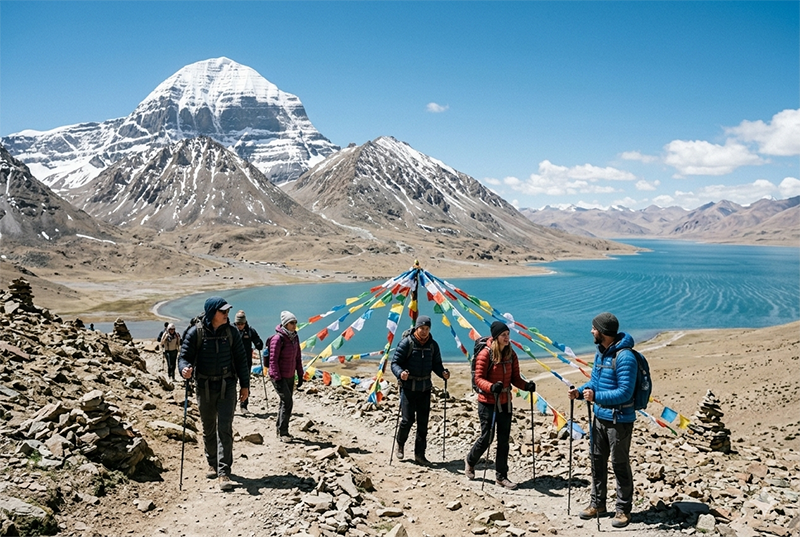
The biggest anxiety for senior pilgrims booking the Kailash Yatra is the Parikrama. The 53-kilometre circumambulation over three days, crossing the 5,630-metre Dolma La Pass, sounds forbidding. It should not. Every senior on this tour has a choice, and every choice leads to the same sacred destination. The mountain does not differentiate between those who walk every step and those who ride. The intention is the Parikrama. The intention is what counts.
1. Full Kora on Horseback — Recommended for Most Seniors
Complete all 53 km of the Parikrama over three days on horseback with porter luggage support. This is the most common choice for senior participants and the one we recommend for pilgrims aged 65+. Horse handlers walk beside the horse throughout. Dolma La Pass (5,630 m) is crossed on horseback. Most senior pilgrims describe this as a profoundly powerful experience.
2. Combined Walking and Horse — Active Seniors
Walk the easier sections (Day 1 approach to Dirapuk, Day 3 descent from Zutulphuk) and use horse support for the demanding Day 2 Dolma La crossing. Recommended for seniors aged 60-68 who are in good health and want to experience some of the Kora on foot without overexerting on the high-altitude sections.
3. Partial Kora — Dirapuk and Return
Trek or ride Day 1 to Dirapuk Monastery (13 km, gradual ascent to 5,080 m). Spend the night with direct, close views of Mount Kailash’s North Face. Return to Darchen the following morning. Skips the Dolma La crossing entirely. Recommended for seniors with moderate altitude sensitivity or those for whom Day 2’s demands represent an unacceptable risk.
4. Darchen Base Camp Darshan — Full Spiritual Completion
Stay at Darchen (4,690 m) with a dedicated guide while other pilgrims complete the Kora. Receive the full Kailash darshan from Darchen — the mountain is visible and close. A personalised puja, prayer flag ceremony, and blessing ritual are arranged for the senior participant. Many senior devotees say this is more spiritually complete than they expected. This is not a lesser experience. This is a different, quieter form of the same grace.
Note on horse hire: Horses for rider use on the Parikrama must be pre-booked — do not assume availability at Darchen on departure morning. We arrange horse hire as part of the senior tour package for all participants who choose options A, B, or C. Horse handlers are local Tibetans who have done this route hundreds of times. The horses are experienced on the terrain. The handlers guide both horse and rider on the Dolma La ascent.
How Senior Pilgrims Should Prepare for the Kailash Yatra
The question we hear most often from senior pilgrims is: ‘Am I fit enough?’ The honest answer is: you don’t need to be an athlete. You need to be mobile, stable on your feet, able to walk on uneven ground, and able to sit in a vehicle for 6-9 hours on some plateau driving days. For most seniors in average health, that is achievable with two months of consistent, moderate preparation.
Two-Month Preparation Plan for Senior Kailash Pilgrims
Weeks 1-4: Daily walks of 20-30 minutes on flat ground. Focus on consistency rather than intensity. Comfortable walking shoes, not trekking boots — save those for the trip.
Weeks 5-6: Increase daily walks to 30-45 minutes. Introduce gentle uphill sections if available. Add two sessions of light stretching or yoga per week for hip and knee flexibility.
Weeks 7-8: Walk 45-60 minutes daily, including some uneven terrain. Practice with trekking poles — they are essential during the Parikrama and worth getting used to before departure.
Breathing exercises daily throughout: Pranayama (deep abdominal breathing) for 10-15 minutes each morning. Builds lung capacity and acclimatises the respiratory system to lower oxygen demands.
Medical check at Week 6: ECG, blood pressure, oxygen saturation at rest. Confirm fitness with your doctor. Adjust any medications that interact with altitude or Diamox if prescribed.
Hydration habit from Week 4: Begin drinking 2-3 litres of water daily. Dehydration accelerates altitude sickness. Seniors are more prone to underhydration — build the habit before departure.
What not to do: No intensive gym training, no heavy hiking in the final two weeks, no new physical activities close to departure that could cause injury.
What Physical Conditions Should Not Attempt the Kailash Yatra?
We are honest with our senior pilgrims because honesty protects them. The following conditions make the Kailash Yatra inadvisable regardless of devotion or intention: uncontrolled atrial fibrillation or other serious cardiac arrhythmias, recent heart attack or cardiac surgery (within 12 months), severe COPD with resting oxygen saturation below 92% at low altitude, severe pulmonary hypertension, recent stroke (within 6 months), uncontrolled Type 1 diabetes, and advanced kidney disease requiring dialysis. If you have any of these conditions, the Kailash Helicopter Tour — which reaches the Kailash area by air — may be a more suitable alternative for your darshan.
Best Time for Seniors to Visit Mount Kailash
The tour operates May to October. For senior pilgrims, the specific window within that range matters more than for younger travellers. Temperature, precipitation, and crowd levels all affect the comfort and safety of elderly participants on the plateau and during the Parikrama.
| Season | Months | Conditions | Senior Recommendation |
| Late Spring | Late May – June | 5-18°C days, clear skies, dry trails, wildflowers | Best overall for senior pilgrims. Warm enough days, cold but manageable nights. Dry Parikrama trails reduce fall risk. Clear Kailash views. |
| Saga Dawa | Full Moon May/June | Most sacred day of the Tibetan calendar at Kailash | Deeply significant for senior devotees completing a lifelong vow. Tibetan monks and pilgrims gather at Tarboche. Amplified spiritual atmosphere. Book 6-9 months ahead. |
| Summer | July – August | Warmer days, occasional brief rain, lush green plateau | Good option. Warmer temperatures suit older travellers who feel cold easily. Plateau is drier than Nepal in monsoon. Occasional slippery trail sections on Parikrama — trekking poles essential. |
| Autumn | September – October | Cool to cold, crystal-clear air, dramatic light | Excellent visibility and quiet trails. Colder nights require extra warm layers — particularly important for senior participants. Bring thermal base layers. October departures are the last of the season. |
| Off Season | November – April | Border and plateau roads closed | Not available. Kerung border and all plateau routes closed. Tibet Tourism Bureau does not issue permits. No exceptions. |
FAQ for Mount Kailash Trip for Seniors
What documents does a senior pilgrim need to carry on the tour? Passport (valid 6+ months), Tibet Travel Permit and all Tibet permits (we provide), medication list in English, emergency medical contacts, travel insurance with evacuation coverage, doctor’s medical clearance letter, and current prescription information. Carry originals of all documents — photocopies are not accepted at Tibet border checkpoints.
What Our Pilgrims Say — Mount Kailash Tour Reviews
OVERALL RATING: 4.9 / 5 | Based on 187 verified reviews
| ★★★★★ Rajesh Sharma | India | September 2024This was not a tour. It was a complete reset of everything I believed about the world, about myself, about what matters. Crossing Dolma La with prayer flags whipping around us and Kailash reflected in Gauri Kund below — I have no words for it. The guides were knowledgeable, calm, and genuinely devoted. Every logistical detail was handled with precision. Nothing was left to chance. I have done 11 pilgrimages in my lifetime. This is the one I will carry to my final day. |
| ★★★★★ Sarah Mitchell | United Kingdom | June 2024I came as a non-religious traveller and left as someone who will return. The landscape of the Tibetan Plateau is unlike anything else on earth. The acclimatisation days at Saga were essential — I felt genuinely prepared by the time the Parikrama began. The team responded to every question before I had finished asking it. Accommodation was basic on the plateau but clean and warm. The Kailash North Face from Dirapuk camp at sunset is burned into my memory permanently. |
| ★★★★★ Anjali & Vikram Patel | USA | May 2024 (Saga Dawa)We specifically booked the Saga Dawa departure after reading about the festival. It was one of the best decisions of our lives. Hundreds of Tibetan pilgrims and monks were completing the Kora alongside us, chanting, prostrating, carrying butter lamps. The spiritual energy was overwhelming. Our guide explained the significance of every site, every ritual. The permits and logistics were completely sorted — we just walked and absorbed it all. |
| ★★★★★ Dr. Priya Nair | India | October 2023As a physician who has spent years treating altitude sickness patients, I was apprehensive about taking my 68-year-old mother on this journey. The team’s handling of high-altitude safety was exceptional. Oxygen was always available, the altitude gain was carefully paced, and my mother completed the entire Parikrama with horse support. The guides knew the symptoms of AMS and how to respond. My mother cried at Manasarovar. I cried at Dolma La. We both came back changed. |
| ★★★★★ Thomas Gruber | Germany | August 2024I had spent months comparing operators before booking. What set this team apart was the quality of information available before I even made contact — the itinerary was detailed, the permit explanation was clear, the FAQ answered every question I had. On the trip itself, every day matched exactly what was described. The cook on the plateau was outstanding. The local Tibetan guide had personal stories about every monastery and pass. Worth every dollar. |
- Accommodation in Kathmandu (twin/triple sharing).
- Basic guesthouse/lodge accommodation during Tibet/Kailash portion.
- All rooms on shared basis unless private room supplement is requested.
- All vegetarian meals as per itinerary (B – Breakfast, L – Lunch, D – Dinner).
- Packed or hot meals during Kailash Parikrama and remote areas.
- Mineral water or boiled drinking water provided daily.
- Airport transfers in Kathmandu.
- Private vehicle throughout the Nepal portion.
- Deluxe bus/van or 4WD (as per group size) in Tibet region.
- Yak and porter during Parikrama for carrying luggage.
- Experienced English/Hindi speaking Nepali tour guide.
- Chinese/Tibetan local guide as required.
- Support crew, cook, and helpers throughout the trip.
- Oxygen cylinders and basic first aid kit for high altitude safety.
- Tibet Travel Permit and Group Visa.
- Mount Kailash Entry Permit.
- Restricted Area Permit and Environment Conservation Fees.
- All necessary border formalities and documentation assistance.
- Guided Kathmandu sightseeing tour including entry fees (Pashupatinath, Guhyeshwari, Jal Narayan).
- Manasarovar Lake exploration and rituals.
- Parikrama (circumambulation) of Mount Kailash by foot.
- Down jacket (on returnable basis).
- Duffle bag for packing.
- Sleeping bag (on returnable basis).
- Basic travel insurance for Nepal side (check with your agent).
- Tibet/China group visa processing support.
- Nepal re-entry visa assistance.
- Pick-up and drop-off at Kathmandu airport on arrival/departure.
- Personal expenses like shopping, snacks, and laundry in Nepal and Tibet.
- Travel insurance and emergency rescue (if needed during the tour).
- Bar bills, soft drinks, and alcoholic beverages.
- Tips for guides, drivers, and support staff.
- Extra cost for rescue jeep if someone returns early from the Kailash tour.
- Additional expenses due to landslides, roadblocks, or other natural problems.
- Nepal visa fee and re-entry visa if leaving and coming back.
- International phone calls, mobile data, and roaming charges.
- Personal clothing, shoes, or gear needed for trekking or walking.

Inquiry this trip
You might also like...


Top Add-on Trips
Muktinath Overland Tour
Halesi Mahadev Tour