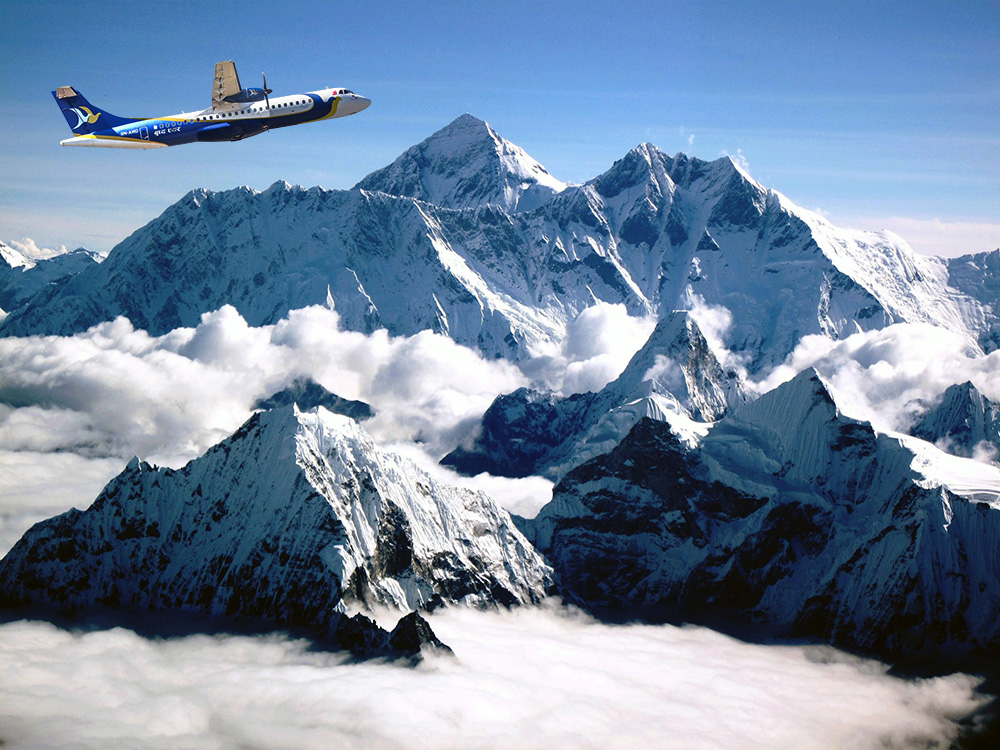

Mount Kailash Yoga Trip
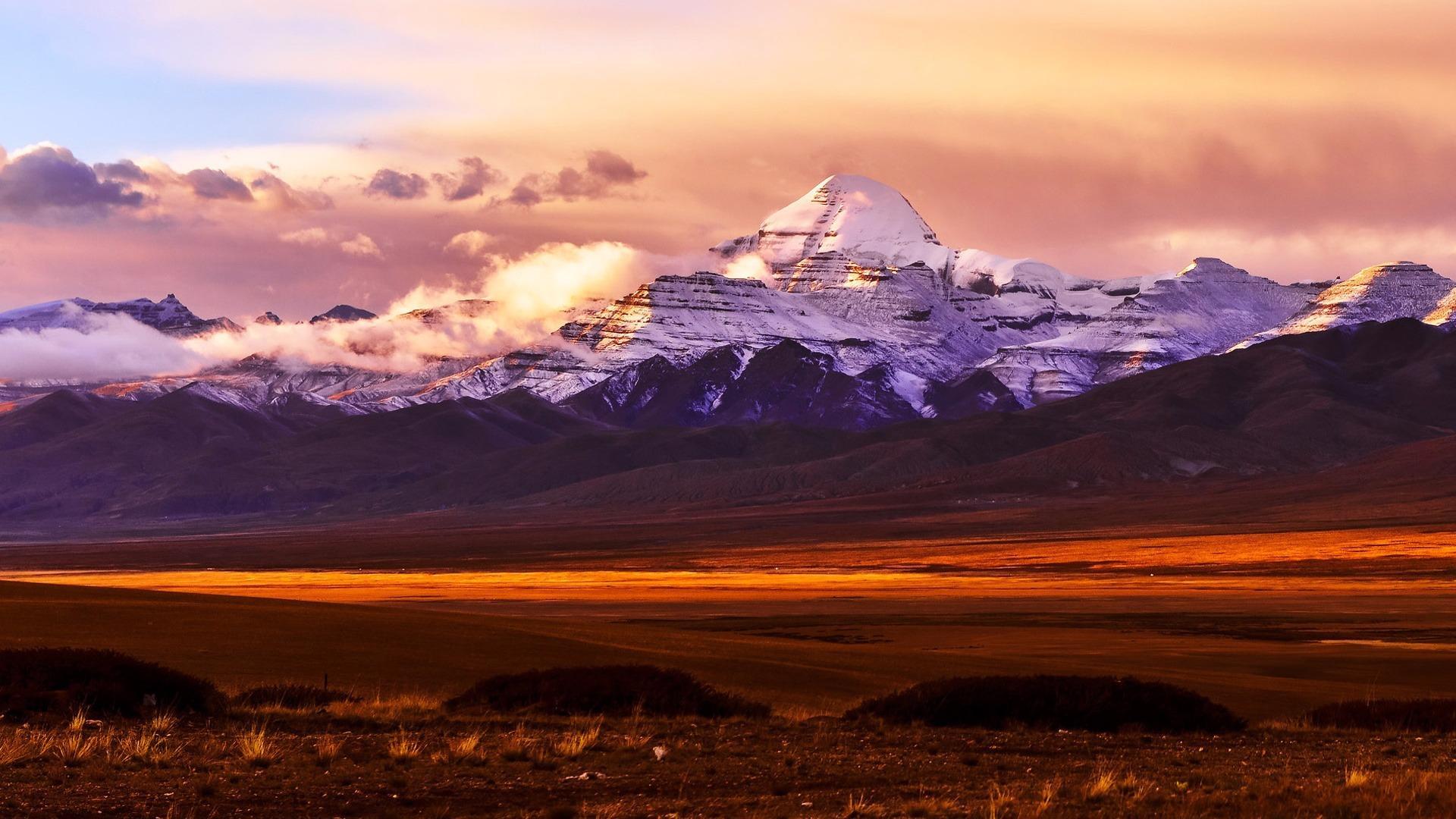

A Sacred Journey for the Soul
Experience a life-changing Mount Kailash Yoga Trip. Connect with spiritual energy, practice yoga by Lake Manasarovar, and explore the divine power of Kailash on a sacred pilgrimage.
Our 14-day Mount Kailash Yoga Trip from Kathmandu is one of the most transformative spiritual journeys on Earth. Combining daily guided yoga and meditation with the sacred Kailash Mansarovar Yatra, this retreat takes you deep into the Tibetan plateau — to the shores of pristine Lake Manasarovar and around the holy circumambulation of Mount Kailash itself. Revered by Hindus, Buddhists, Jains, and Bön practitioners alike, Kailash is the axis mundi of four world religions. Our small-group Kailash yoga retreat (max 12 participants) departs select dates May–October from Kathmandu, Nepal.
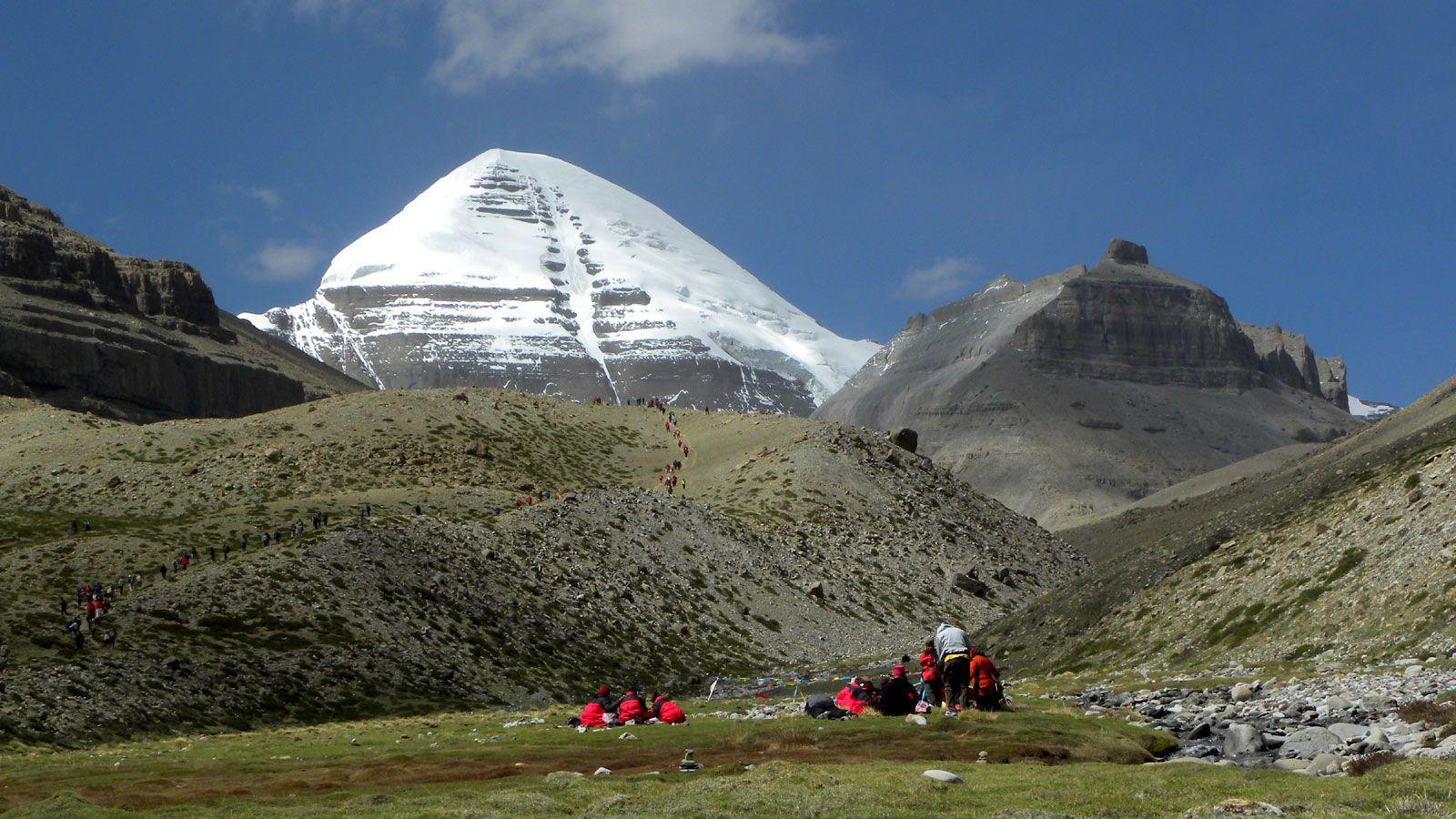
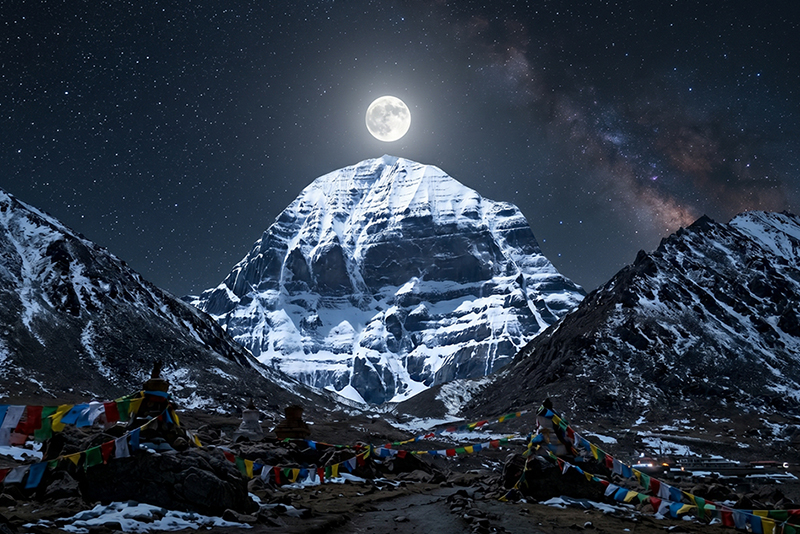
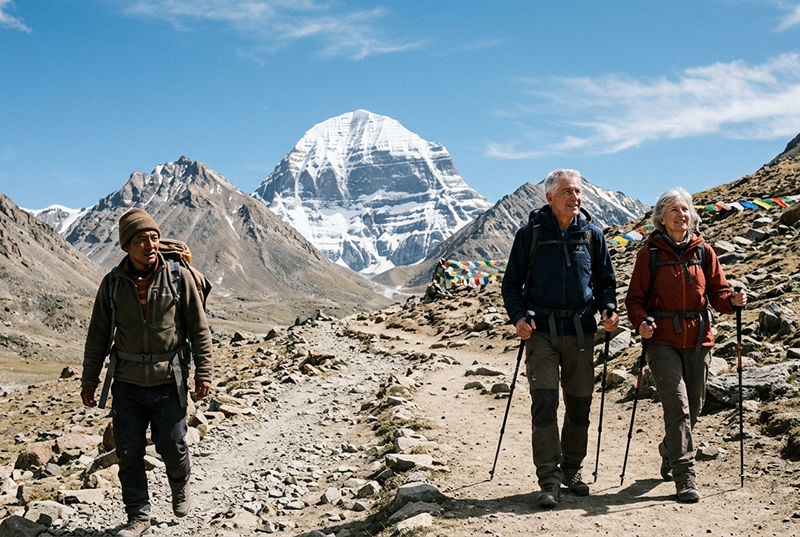
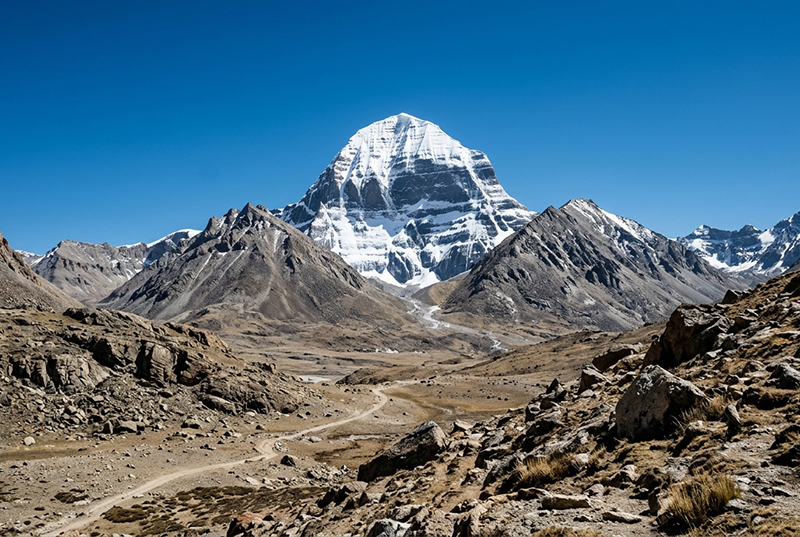
What sets our Mount Kailash Yoga Retreat apart is the seamless fusion of physical adventure and inner exploration. You’ll walk the full 52-kilometer Parikrama (kora) around the holy mountain over three days at altitudes up to 5,600 meters, pausing for sunrise yoga meditation by the crystal-clear shores of Rakshastal and Manasarovar. Our expert yoga instructors lead invigorating yet accessible sessions for all levels — from flowing Sun Salutations as first light hits Kailash’s pyramid-like north face, to deep pranayama echoing off glacial peaks.
Every evening brings group meditations, sound healing with Tibetan singing bowls, and storytelling circles. Meals are entirely sattvic — vegetarian, locally sourced, and nourishing for high-altitude trekking. Whether you’re a seasoned yogi or beginning your practice, this yoga pilgrimage to Mount Kailash promises not just memories, but metamorphosis.
What Makes Our Kailash Yoga Retreat Unique?
| Sacred Energy Field
Mount Kailash emits concentrated spiritual energy. Practicing yoga in its field deepens meditation and opens the heart chakra in ways no studio can replicate. |
Yoga at Lake Manasarovar
Daily yoga and pranayama on the shores of one of the highest freshwater lakes on Earth. Sages have meditated here for millennia. |
| All-Levels Instruction
Sessions designed for altitude conditions: gentle flows, extended breathwork, restorative practices. No experience necessary. |
Small Groups — Max 12
Every departure capped at 12 participants. Personalized attention, individualized altitude monitoring, genuine community. |
| Sattvic Meals Throughout
Every meal is pure vegetarian — tsampa, fresh herbs, Tibetan staples. Sattvic nutrition supports acclimatization and honors the sacred landscape. |
All Permits Handled
Tibet Travel Permit, Group Visa, Kailash Entry Permit, Restricted Area Permit, Environment Conservation Fee — all included and managed. |
Best Time for a Mount Kailash Yoga Retreat
The Kyirong border crossing opens May–October. Outside this window, the Tibet border is closed to tourists. Within the open season, conditions vary significantly:
| May – June
Spiritual Season Cooler, fewer crowds. Saga Dawa full moon festival — most auspicious time for yoga and meditation. Ideal for experienced practitioners seeking solitude. |
July – August
Peak Season ★ Best for Beginners Most stable weather, warmest temperatures. Best acclimatization conditions. Highly recommended for first-timers and those new to high-altitude yoga. |
Sep – October
Vivid Skies Season Fewer crowds, crisp mountain air, exceptionally clear skies. Perfect for sunrise yoga photography. Ideal for experienced practitioners. |
How to Prepare for Your Kailash Yoga Trip
1. Start a daily yoga and pranayama practice 6–8 weeks before departure. Even 20 minutes of morning asana and breathwork primes your body for high-altitude sessions.
2. Build cardiovascular fitness with 30-minute daily walks, gradually adding elevation. Stair climbing and incline treadmill work are excellent preparation for the Parikrama.
3. Practice Nadi Shodhana (alternate nostril breathing) daily for the month before departure. This pranayama technique measurably improves lung efficiency and supports high-altitude acclimatization.
4. Eliminate alcohol, tobacco, and heavy meat at least 2 weeks before departure. A clean, light diet pre-trip significantly reduces altitude sickness risk.
5. Consult your doctor about altitude medication (Acetazolamide / Diamox). Start it 1–2 days before ascending if recommended. We carry oxygen cylinders throughout the trip.
Outline Plan for Mount Kailash Yoga Trip
| Day | Location | Altitude | Yoga Activity |
| Day 1 | Kathmandu | 1,355m | Evening: Grounding meditation |
| Day 2 | Kathmandu | 1,355m | Morning: Full Hatha class + pranayama |
| Day 3 | Timure | 1,762m | Evening: Stretching, breathwork |
| Day 4 | Kyirong, Tibet | 2,800m | Morning: Pranayama, acclimatization walk |
| Day 5 | Saga | 4,500m | Evening: Restorative yoga, Nadi Shodhana |
| Day 6 | Saga (Rest Day) | 4,500m | Full Hatha, meditation, sound healing |
| Day 7 | Lake Manasarovar | 4,640m | Evening: Lakeside meditation, Chiu Gompa |
| Day 8 | Darchen | 4,690m | Sunrise: Yoga on Manasarovar shoreline |
| Day 9 | Dirapuk | 5,080m | Evening: Breathwork facing north face of Kailash |
| Day 10 | Dolma La → Zutulphuk | 5,800m | Summit: Group mantra meditation |
| Day 11 | Saga | 4,500m | Evening: Gratitude ceremony, Yoga Nidra |
| Day 12 | Kyirong | 2,800m | Evening: Celebratory restorative session |
| Day 13 | Kathmandu | 1,355m | Morning: Integration practice, reflection |
| Day 14 | Departure | 1,355m | — |
FAQs
Q: What is a Mount Kailash Yoga Trip?
A Mount Kailash Yoga Trip is a spiritually immersive 14-day journey combining daily yoga and meditation practice with the sacred Kailash Mansarovar Yatra (pilgrimage). Participants practice yoga at spiritually significant locations including the shores of Lake Manasarovar and during the 3-day Kailash Parikrama at altitudes up to 5,600m on the Tibetan plateau. It is revered as one of the highest and most powerful yoga retreats on Earth.
Q: What is the best time for a Mount Kailash Yoga Retreat?
The best time for the Mount Kailash Yoga Trip is May to October, when the Kyirong border crossing is open. Peak season is June–August (warmest, most stable — ideal for beginners). The Saga Dawa full moon festival (May/June) is especially auspicious. September–October offers crisp skies and fewer crowds. Avoid November–April: border is closed.
Q: Do I need prior yoga experience for this trip?
No prior yoga experience is required. Our expert instructors lead gentle, all-levels sessions tailored to altitude conditions. However, moderate fitness is essential: you need to be able to trek 52 km over 3 days at high altitude (up to 5,800m). We recommend starting a regular walking habit at least 6–8 weeks before departure.
Q: What type of yoga is practiced on the Kailash Yoga Retreat?
We practice a blend of Hatha yoga, pranayama (breathwork), and meditation suited for high-altitude conditions. Morning sessions include Sun Salutations, gentle asana flows, and extended pranayama — particularly Nadi Shodhana and Kapalabhati. Evening sessions focus on restorative yoga, sound healing with Tibetan singing bowls, mantra meditation, and Yoga Nidra.
Q: Is the Mount Kailash Yoga Trip safe for first-timers?
Yes. Our trips include professional mountain guides, oxygen cylinders, first-aid kits, a mandatory acclimatization day in Saga (4,500m), and a maximum group size of 12 for personalized safety monitoring. Altitude sickness is mitigated through our gradual ascent itinerary and sattvic vegetarian diet throughout. We recommend consulting your doctor about Acetazolamide (Diamox) before departure.
Q: What permits are needed for the Mount Kailash Yoga Tour from Nepal?
All required permits are included in the package: Tibet Travel Permit (Group Visa), Mount Kailash Entry Permit, Restricted Area Permit, and Environment Conservation Fee. All are fully arranged and managed — zero bureaucratic hassle for you.
Q: How much does the Mount Kailash Yoga Trip cost?
The price varies by group size and departure season. The package includes all accommodation, vegetarian meals, Tibet permits, daily yoga instruction, support staff, oxygen cylinders, and airport transfers. Contact us via WhatsApp (+9779803308999) or email (info@mountkailashtrip.com) for current 2026 pricing and available departure dates.
- Accommodation in Kathmandu (twin/triple sharing).
- Basic guesthouse/lodge accommodation during Tibet/Kailash portion.
- All rooms on shared basis unless private room supplement is requested.
- All vegetarian meals as per itinerary (B – Breakfast, L – Lunch, D – Dinner).
- Packed or hot meals during Kailash Parikrama and remote areas.
- Mineral water or boiled drinking water provided daily.
- Airport transfers in Kathmandu.
- Private vehicle throughout the Nepal portion.
- Deluxe bus/van or 4WD (as per group size) in Tibet region.
- Yak and porter during Parikrama for carrying luggage.
- Experienced English/Hindi speaking Nepali tour guide.
- Chinese/Tibetan local guide as required.
- Support crew, cook, and helpers throughout the trip.
- Oxygen cylinders and basic first aid kit for high altitude safety.
- Tibet Travel Permit and Group Visa.
- Mount Kailash Entry Permit.
- Restricted Area Permit and Environment Conservation Fees.
- All necessary border formalities and documentation assistance.
- Guided Kathmandu sightseeing tour including entry fees (Pashupatinath, Guhyeshwari, Jal Narayan).
- Manasarovar Lake exploration and rituals.
- Parikrama (circumambulation) of Mount Kailash by foot.
- Down jacket (on returnable basis).
- Duffle bag for packing.
- Sleeping bag (on returnable basis).
- Basic travel insurance for Nepal side (check with your agent).
- Tibet/China group visa processing support.
- Nepal re-entry visa assistance.
- Pick-up and drop-off at Kathmandu airport on arrival/departure.
- Personal expenses like shopping, snacks, and laundry in Nepal and Tibet.
- Travel insurance and emergency rescue (if needed during the tour).
- Bar bills, soft drinks, and alcoholic beverages.
- Tips for guides, drivers, and support staff.
- Extra cost for rescue jeep if someone returns early from the Kailash tour.
- Additional expenses due to landslides, roadblocks, or other natural problems.
- Nepal visa fee and re-entry visa if leaving and coming back.
- International phone calls, mobile data, and roaming charges.
- Personal clothing, shoes, or gear needed for trekking or walking.

Inquiry this trip
You might also like...



Top Add-on Trips
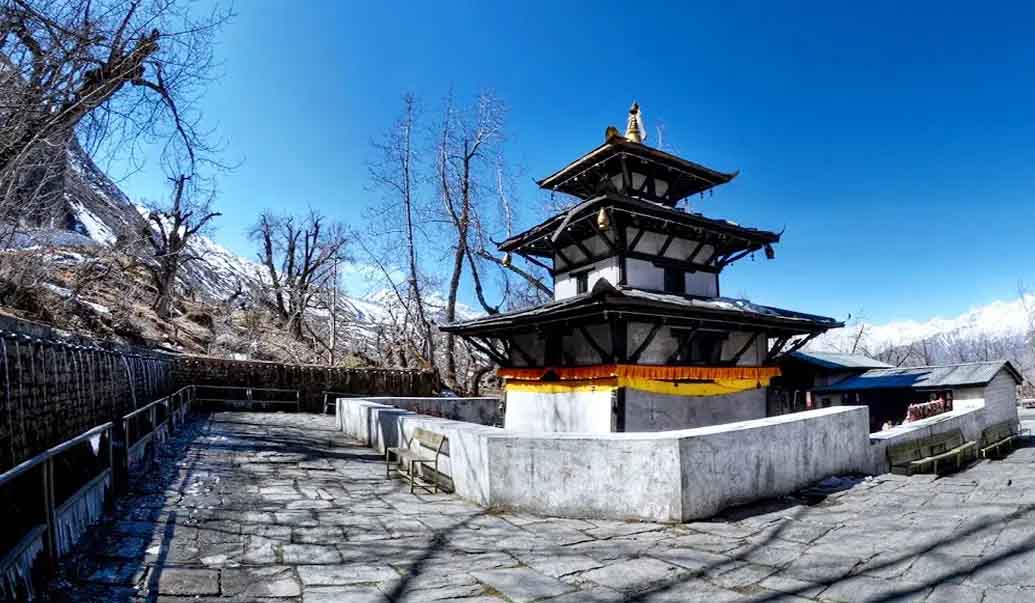
Muktinath Overland Tour
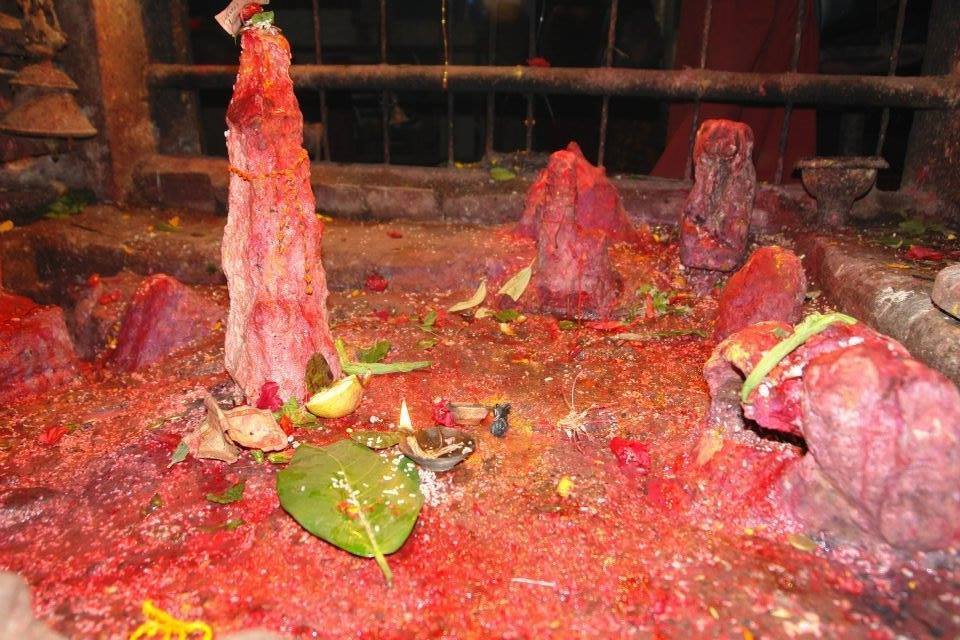
Halesi Mahadev Tour